


Health authorities have confirmed zero secondary infections three weeks after an isolated imported case. The patient was safely transferred for treatment. Public health IT tracking systems mapped the regional contact networks and found no onward transmission. The result is a quiet victory for surveillance infrastructure that rarely gets headlines.
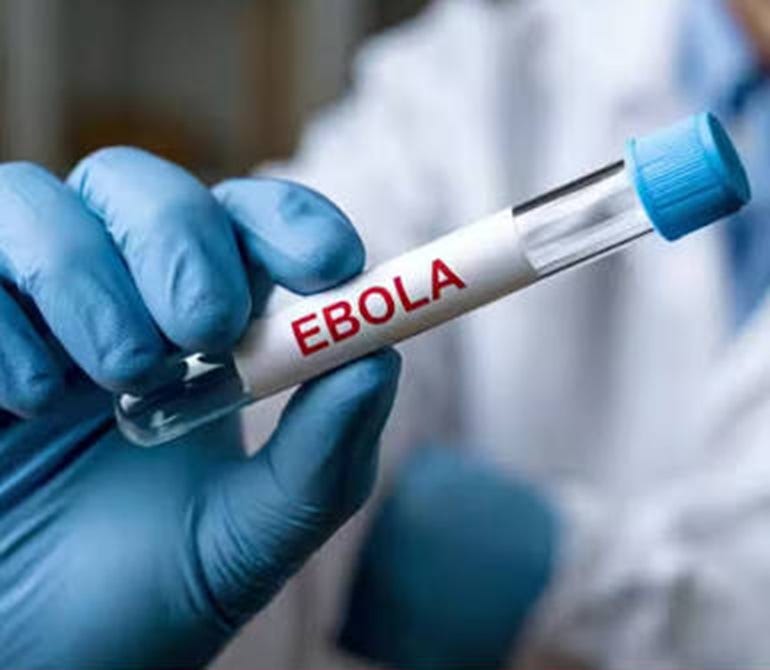
The economics of outbreak preparedness are simple. A single imported case, if missed, becomes a cluster, then an outbreak, then an epidemic. Each stage multiplies the cost. The 2014 Ebola response in West Africa cost governments and donors billions in emergency spending. The containment worked because contact tracing teams were in place and the public cooperated. COVID-19 showed the other path. Contact tracing collapsed under the volume, and the response shifted to lockdowns with their own economic bill.
The infrastructure that produced this result was not built for this outbreak. It was built for polio. Nigeria’s polio surveillance network, maintained for decades with international support, is among the most extensive in Africa. It has been repurposed for measles, yellow fever, Lassa fever and now imported cases. The system works because it is routine. An outbreak response that relies on emergency funding is fragile. A system that runs every week is resilient.
Humanise the number. Three weeks, zero secondary infections, one patient transferred. For a family in a border community, that means no school closure, no market shutdown, no quarantine order. For a health worker, it means the difference between a manageable case and a ward full of them. For a finance ministry, it means the difference between a surveillance budget and an emergency supplementary.
The weakness is funding. Surveillance budgets are the first to be cut when there is no outbreak, and the first to be blamed when there is one. The 2014 response was possible because the system had been maintained during the quiet years. The next quiet year is the test.
Winners: The health authorities, the surveillance teams, and the communities that avoided a cluster. Losers: Nobody in this case. But the system remains underfunded and the next budget cycle will decide whether it stays that way.
Bottom Line: Zero secondary infections is a good result. Keeping it requires paying for the system when there is no outbreak.