


Zambian opposition leader Brian Mundubile, his running mate Makebi Zulu and 12 others have been committed to the High Court on treason charges . The state alleges they plotted to overthrow the government between 1 April and 14 August 2026. The charge sheet says Mundubile and businessman Harry Findlay financed military training in Russia for six people, and that the group recruited serving and retired military personnel . Mundubile was arrested after the 13 August election, which he says was rigged. President Hakainde Hichilema denied the fraud claims and won re-election.
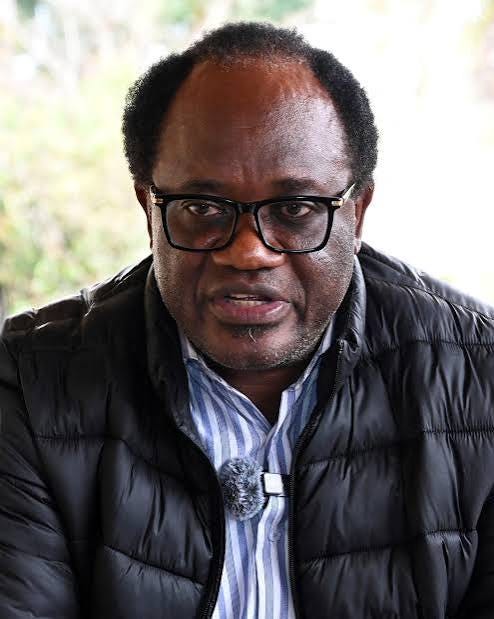
The mechanics of a treason trial in an African opposition case are rarely just legal. A treason charge carries the maximum penalty and can keep a political leader off the campaign trail for months. The defence has dismissed the charges as a fishing expedition. The state has a detailed charge sheet with named co-conspirators and specific allegations about Russian training. The trial will determine which account the court accepts.
This echoes the 2021 and 2022 cases in which African governments charged opposition figures with treason or similar offences, and the longer pattern of judicial processes being used to manage political rivals.
The winners are Hichilema, who removes a challenger from the immediate political scene, and the Zambian state, which gets to demonstrate that it takes coup plots seriously. The losers are Mundubile and his co-accused, who face years of litigation, and Zambian voters, who will be asked to judge a government that jailed its opponent.
Bottom Line: A treason charge is a political instrument as much as a legal one. The court will decide which it is.