


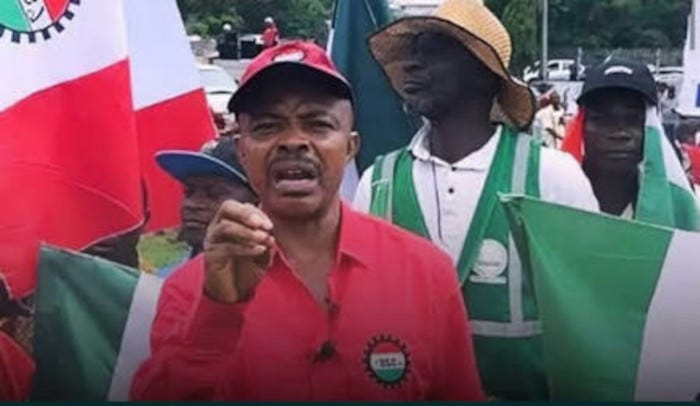
Public servants under the Joint National Public Service Negotiating Council (JNPSNC) have issued a three-day warning strike notice. The strike will begin on 2 October 2026 if the Federal Government fails to meet their demands. The council comprises eight public sector unions, including the Nigerian Civil Service Union, the Medical and Health Workers Union, and the Association of Senior Civil Servants of Nigeria.
The JNPSNC wrote to President Bola Tinubu on 21 September. It demanded a petrol price reduction to ₦500 per litre, an immediate wage award and the commencement of negotiations for a new national minimum wage. The Nigeria Labour Congress has backed the council. The ultimatum expires on 30 September, during the President’s Independence Day broadcast.
The council said the September 30 deadline is sacrosanct. It demanded petrol at ₦500 per litre. Current prices range from ₦1,450 to ₦2,000 per litre, and up to ₦2,500 in remote areas. The council proposed an intervention fund to address landing costs. It also wants crude oil sold to Dangote Refinery and modular refineries on appropriate terms to lower prices.
It demanded an urgent wage award to cushion the hardship. It also called for a tripartite committee to begin negotiations for the new national minimum wage due in 2027.
“If the issues are not addressed by September 30, public servants will commence a three-day warning strike from October 2,” the council said. The council said the concerns of workers can no longer be ignored.
Winners: The unions, which assert leverage. Workers, if demands are met. Losers: The Federal Government, which faces pressure. Commuters, if the strike disrupts services. The economy, which absorbs lost productivity. Taxpayers, if wage awards require higher taxes.
Bottom Line: Workers want petrol at ₦500. It sells for ₦1,450 and above. They want a wage award. The government has not responded. The warning strike begins on 2 October. The ultimatum is clear.