


Public sector workers began a three-day warning strike on Friday. The action follows the expiration of a deadline. The unions demanded lower petrol pump prices. They demanded payment of wage awards. They demanded formal talks on future minimum wage adjustments. The government did not meet the deadline.
The Nigeria Labour Congress and its affiliates have threatened strikes for years. In 2023, they protested subsidy removal. In 2024, they demanded wage awards. The government offered temporary payments. They expired. The unions renewed their demands. The pattern is cyclical. Deadlines pass. Strikes begin. Negotiations resume.
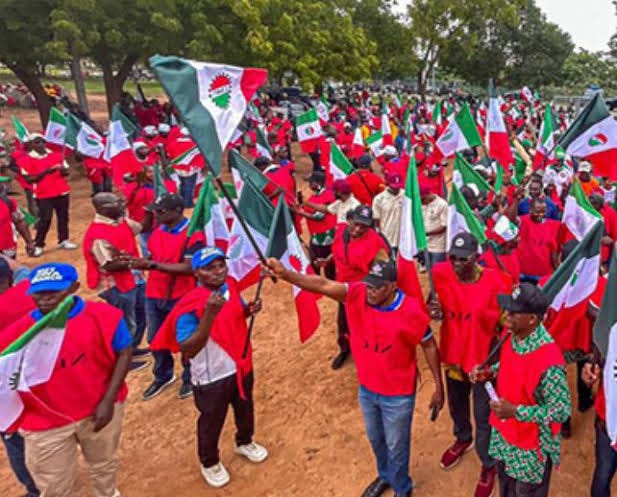
The strike affects public services. Hospitals, schools and ministries are disrupted. The unions say the action is a warning. A full strike could follow. Petrol prices remain above ₦1,400 per litre. The unions want them at ₦500. That requires a subsidy or a sharp drop in landing costs. Neither is imminent. Wage awards are more feasible. The government may offer another temporary payment. Minimum wage talks are due in 2027. The unions want them to start now.
The government has not responded publicly. It may negotiate. It may wait out the warning strike. Labour’s leverage has weakened since 2023. The public is fatigued. Strikes disrupt daily life. The unions know this.
Winners: The unions, which assert leverage. Workers, if demands are partially met. Losers: The government, which faces pressure. Commuters, who face disruption. Patients, who face delayed care. The economy, which absorbs lost productivity.
Bottom Line: The warning strike has begun. Petrol prices will not fall to ₦500. Wage awards are possible. Minimum wage talks will start. The strike is a warning. The real test is whether it escalates.