


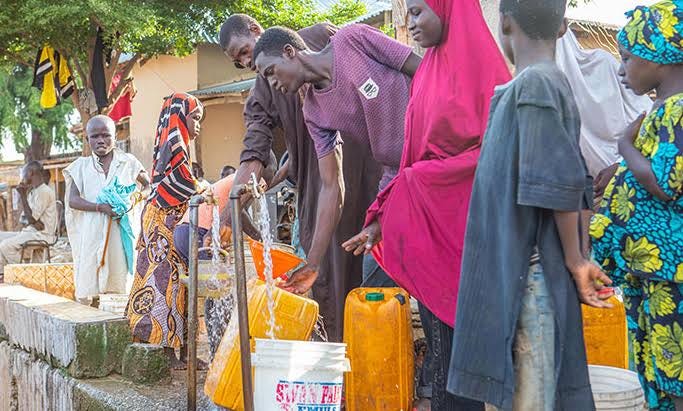
More than 480,000 Nigerians in 1,283 communities have gained improved sanitation access. The intervention was implemented by WaterAid. It was supported by the Sanitation and Hygiene Fund. The 24-month project closed out on Tuesday in Abuja. Nanpet Chuktu, Head of Programmes at WaterAid, disclosed the figures.
Nigeria has a sanitation crisis. About 47 million Nigerians practice open defecation. That is the second-highest number globally. Cholera outbreaks are recurring. In 2021, over 2,300 people died from cholera. In 2024, cases surged again. The government launched the Clean Nigeria campaign in 2019. Progress has been slow. WaterAid’s intervention addresses the gap.
Chuktu said more than 16,000 basic household toilets were constructed. More than 4,600 were completed as safely managed sanitation facilities. 1,283 communities attained open-defecation-free status. This was achieved through house-to-house engagements, mass media campaigns, radio programmes and digital communication. Digital platforms reached more than 900,000 people with hygiene messages.
The intervention addressed cholera outbreaks, open defecation and limited access to safe hygiene facilities. WaterAid supported sanitation entrepreneurs through training, mentoring and access to financing. Women and young people emerged as entrepreneurs and community leaders.
Abu Jamilu of the Federal Ministry of Water Resources called for stronger collaboration. “Government cannot achieve the country’s sanitation targets alone,” he said. He disclosed that 179 Local Government Areas have attained open-defecation-free status. SDG 6 is central to achieving targets on poverty, hunger, health, education and gender equality.
Mahmud Bose of the Bauchi State Environmental Protection Agency said the intervention strengthened sanitation services. Operators were organised into associations. Bauchi adopted Gulper technology for faecal sludge evacuation. Operators are exploring converting sludge into organic compost.
Winners: Communities, which gain toilets. Women and youth, who gain entrepreneurship. The environment, which gains protection. WaterAid, which demonstrates impact. Losers: Communities not reached. The 47 million still practicing open defecation. The government, if it relies on NGOs. Taxpayers, if the crisis persists.
Bottom Line: WaterAid reached 480,000 people. 1,283 communities are open-defecation-free. That is progress. The national crisis remains. 47 million Nigerians still lack toilets. The work continues.