


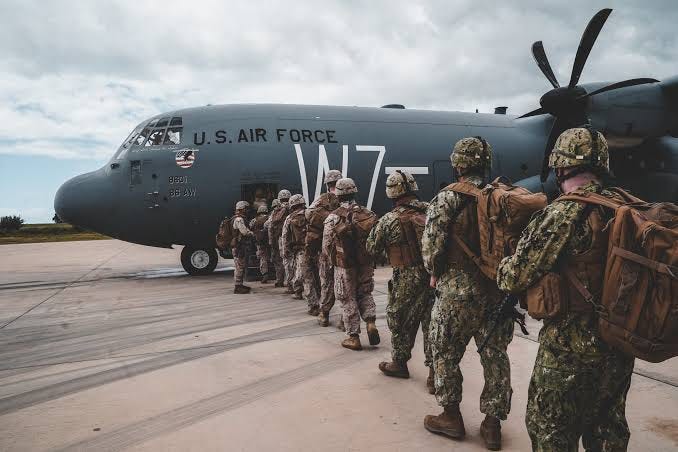
The US is preparing to withdraw about 200 troops deployed to Nigeria to support counterterrorism efforts, with the main contingent expected to leave by late September, The New York Times reports. Small teams of trainers and intelligence analysts are expected to remain to maintain the US-Nigeria intelligence partnership. US officials said the deployment produced significant results, including the May operation that killed Abu-Bilal al-Minuki, a senior ISIS commander in the Lake Chad Basin. AFRICOM has described the mission as a potential model for future operations in Africa.
However, the drawdown comes as insecurity continues to rise across Nigeria. Analysts say Islamist militants account for only part of the country’s broader violence, which also includes banditry, farmer-herder conflicts, militia activity and insecurity linked to neighbouring Sahel countries. Nigeria has maintained that its security crisis has multiple causes.
The withdrawal is a significant development in US-Nigeria security cooperation. The deployment of US troops was a rare and significant commitment by Washington to support Nigeria’s counterterrorism efforts. The withdrawal, even as insecurity persists, raises questions about the sustainability of US engagement in the region. The Nigerian government has maintained that the security crisis has multiple causes and that military solutions alone are insufficient.
From a Nigerian vantage point, the withdrawal is a mixed signal. The US has demonstrated its commitment through the deployment and the intelligence partnership, but the drawdown suggests that Washington is not prepared to maintain a long-term military presence. The success of the operation against al-Minuki is a positive outcome, but the broader security challenges remain.
This echoes the 2017 withdrawal of US troops from Niger, which also followed a period of increased engagement. The mechanism then was different, but the result was the same: a reduced US military footprint in the Sahel.
The winners: the US, which has reduced its military exposure; and the Nigerian military, which has gained experience from the partnership. The losers: the Nigerian security forces, which will have less US support; and the Nigerian public, who face continued insecurity.
Bottom Line: The US is pulling 200 troops out of Nigeria. The mission was a success, but the security crisis remains. The question is whether the intelligence partnership will be enough to fill the gap.