


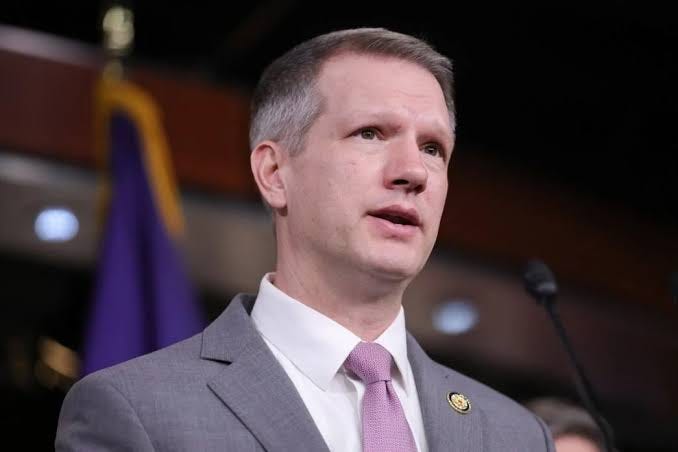
The United States has said Nigeria has not made sufficient progress in stopping attacks on Christian communities. Frank Garcia, assistant secretary of state for African affairs, made the assessment during a congressional hearing on violence in Nigeria. He acknowledged that Nigerian authorities were taking steps to address Washington’s concerns. But he said the measures had not yet produced meaningful results. “Progress has not been there,” he told lawmakers.
The hearing followed Nigeria’s designation as a Country of Particular Concern by US President Donald Trump last October, on allegations of religious persecution and violence against Christian communities. Republican Representative Riley Moore challenged the Nigerian government’s efforts to dismantle armed groups’ strongholds and kidnapping camps, particularly in Benue and Plateau states. He argued that Washington should retain the designation until Nigeria demonstrated progress. Garcia cited attacks on Christian communities in Kaduna State in July and killings in Plateau State in August and September as evidence that the violence had continued despite diplomatic engagement.
The mechanics matter. The US established a US-Nigeria Joint Working Group to monitor Abuja’s commitments. These include increased security deployments in vulnerable communities, faster responses to early warnings, stronger accountability mechanisms and expanded military cooperation. Washington has provided training and equipment to Nigerian police units, expanded biometric information-sharing to help identify suspects and worked with Nigerian financial institutions to disrupt terrorist financing networks. Garcia said American authorities expected measurable improvements in protecting civilians, prosecuting perpetrators and ensuring the safe return of internally displaced people. He also acknowledged that Nigeria’s security architecture remained overstretched and that judicial access to parts of the Middle Belt was limited.
From a Nigerian vantage point, the hearing matters beyond religious freedom. It affects security cooperation, aid and diplomatic standing. The CPC designation is a diplomatic stain. It also gives Congress a lever to condition assistance, as the House has already proposed. This mirrors the 1990s sanctions over the Abacha regime’s human rights abuses. The difference is that today’s pressure comes from Congress, not the executive branch. Congress is harder to lobby. The winners are US lawmakers pushing the designation; religious freedom advocates; and Nigerian communities that may gain security support if the working group delivers. The losers are the Nigerian government, which faces continued scrutiny; the communities still suffering attacks; and the diplomatic relationship, which remains strained.
Winners: US lawmakers; religious freedom advocates; communities gaining security support if the working group delivers.
Losers: The Nigerian government; communities still under attack; the diplomatic relationship.
Bottom Line: A CPC designation is a diplomatic warning. Nigeria must show measurable progress in protecting civilians and prosecuting perpetrators, or the designation will become a permanent feature of the relationship.