


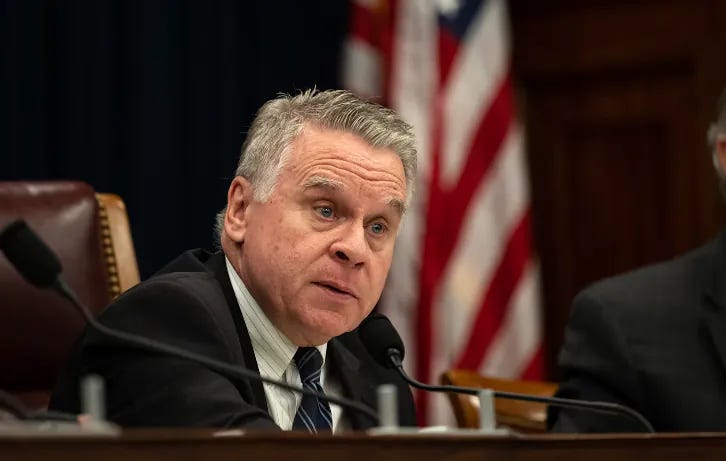
The United States House Subcommittee on Africa will hold a hearing on Thursday on Nigeria’s efforts to protect Christians and secure the Middle Belt. The chair, Republican Chris Smith, announced it in a statement. He said it is his fourteenth congressional hearing on the issue. The title is “One Year Later: Assessing Nigeria’s Efforts to Protect Christians and Secure the Middle Belt.”
The statement said the panel will examine violence by Boko Haram and groups it described as armed Fulani, with a focus on Benue State. It will assess Nigerian efforts to protect communities and prosecute perpetrators, and possible American steps to press Abuja to act. Smith introduced the Nigeria Religious Freedom and Accountability Act in February. It would sanction individuals and groups suspected of religious violence.
The legislative context matters more than the hearing. In July, the House passed a State Department funding bill that would withhold all foreign assistance to Nigeria until it certifies effective steps to protect Christians. That measure still needs the Senate and the president. A hearing is a platform. A funding restriction is leverage.
From a Nigerian vantage point, the framing is the problem and the opportunity. The framing treats a complex security crisis as a religious one. The violence in Benue involves land, grazing routes, climate pressure, cattle rustling and armed groups that prey on Christians and Muslims alike. A lens that sees only one category will produce a policy that misses most of the victims.
The opportunity sits in the machinery that already exists. The two governments have recently set up mechanisms for dialogue on security and trade. A hearing that feeds those channels could produce intelligence sharing and prosecution support. A hearing that feeds only a sanctions list would harden positions in Abuja and change little on the ground.
The historical echo is the 1990s, when Congress pressed the executive on Nigeria over human rights and Abacha’s record. That pressure mattered because it was sustained and because it came with specific demands. A demand to certify progress on prosecution is specific. A demand to certify religious protection is harder to measure, and harder to satisfy.
The winners are Smith and the advocacy groups that have pushed the issue for a decade. The losers are Nigerian communities in Benue, who will not see a hearing room in Washington, and the diplomats in Abuja who must now explain a sanctions bill to a government that denies the premise.
Winners: Chris Smith, religious freedom advocacy groups, and any Nigerian official who uses the pressure to argue for security funding. Losers: Benue communities facing violence, and the broader bilateral relationship, which now carries a certification condition.
Bottom Line: A hearing can open a channel or build a list. Abuja should treat it as the first and make sure the second has nothing to sanction.