


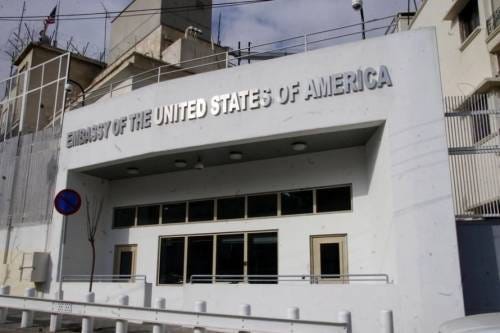
The U.S. Department of State officially transferred all routine non-immigrant and immigrant visa operations in Nigeria to the U.S. Consulate General in Lagos, ending routine visa services at the U.S. Embassy in Abuja as part of a continent-wide administrative realignment aimed at standardising screening and security vetting. The decision follows the U.S. Embassy’s announcement in June of a “long-term strategic restructuring” of its diplomatic footprint in Nigeria, which will see the Abuja embassy retain only official and diplomatic functions.
The realignment of visa services to Lagos is expected to significantly affect visa applicants in the northern and central regions. The U.S. Mission had earlier stated that the decision was made to improve efficiency and strengthen security protocols. All visa application receipts from Abuja will be honoured in Lagos. Those with pending interviews are required to print their visa appointment letters anew and reschedule with the appropriate location.
The Nigerian stake is clear. Nigeria is a major source of visa applicants to the United States, and the transfer of services to Lagos will create logistical challenges for applicants in the north. The move could also affect business and educational exchanges, as applicants must now travel to Lagos for interviews.
From a Nigerian vantage point, the realignment is a reminder of the importance of maintaining strong diplomatic ties. The Nigerian government must ensure that the transition is smooth and that Nigerian applicants are not unduly burdened.
This echoes the 2018 closure of the U.S. consulate in Nigeria, which also raised concerns about access to visa services. The mechanism then was different, but the result was the same: a recognition that visa access is essential for bilateral relations.
The winners: the U.S. Consulate in Lagos, which will handle more visa applications; and the U.S. government, which has streamlined its operations. The losers: visa applicants in northern Nigeria, who must now travel to Lagos; and the Nigerian government, which must ensure that the transition is smooth.
Bottom Line: The US has moved visa services from Abuja to Lagos. Applicants in the north must now travel south. The move is about efficiency. The question is whether it will create more problems than it solves.