


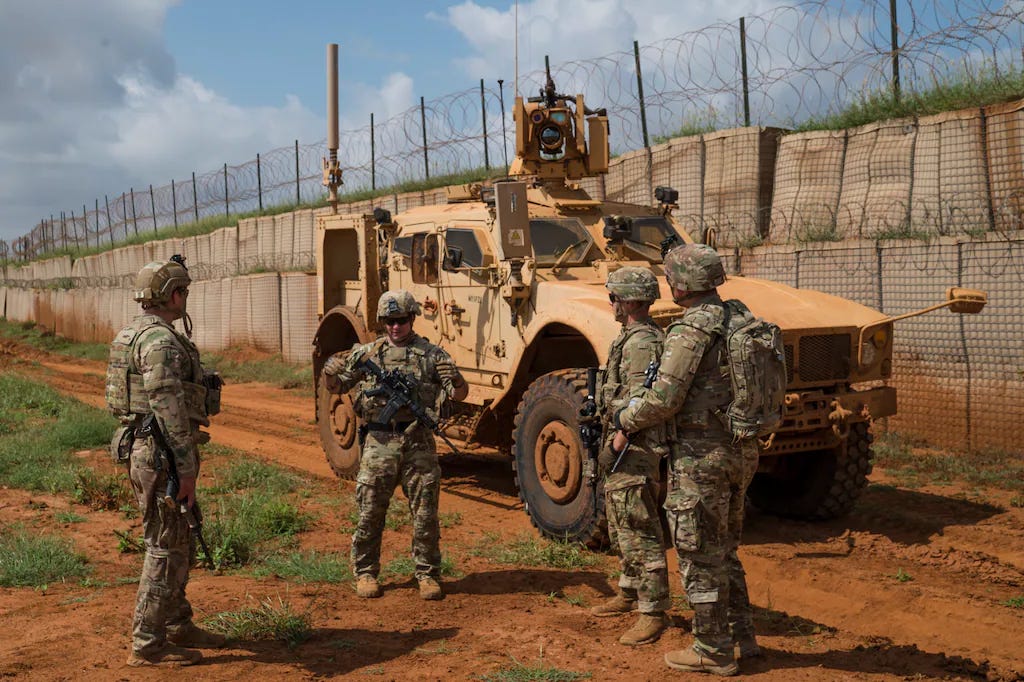
The United States has said it will block the United Nations from funding the African Union peacekeeping mission in Somalia, a move that could spell the end for the force that has propped up the Somali federal government since 2009. In a diplomatic note to the African Union, Washington vowed to prevent any UN funds from being spent on the AU Support and Stabilisation Mission in Somalia (AUSSOM).
The mission’s budget last year was $190 million, but financing has become increasingly difficult, leading to a huge funding shortfall. The US is one of the largest supporters of the UN Support Office in Somalia (UNSOS), whose total budget is projected to top $500 million this year. The African Union force comprises troops from Uganda, Kenya, Ethiopia and other nations. It relies heavily on UN support to pay for logistics, medical services and transportation of troops. The African Union has since informed members of its Peace and Security Council of Washington’s decision, warning that it carries significant implications for the future of the mission.
President Donald Trump has grown increasingly hostile to Somalia, blaming the government for Somali migrants in the US and imposing a travel ban on the country.
The Nigerian stake is significant. Nigeria has contributed troops to AU peacekeeping missions in Somalia in the past, though it is not currently a major contributor to AUSSOM. But the broader implications of the US decision are profound. If Washington can block UN funding for one AU mission, it can do so for others. This threatens the entire architecture of African-led peacekeeping, which relies heavily on UN support.
This mirrors the 2017 decision by the Trump administration to cut funding for UN peacekeeping missions, which forced the AU to scale back operations in Darfur and other conflict zones. The difference now is that the target is specifically Somalia, and the message is clear: Washington will no longer subsidise African security if it does not align with US interests. The question for Abuja is whether it can afford to fill the gap left by Washington’s withdrawal. The answer is almost certainly no.
From a Nigerian vantage point, the US decision is a wake-up call. Africa cannot rely on US funding for its security missions indefinitely. The AU and its member states must find alternative financing mechanisms, including the African Peace Fund and contributions from other international partners. But those alternatives are not yet ready.
The winners: none. The losers: the Somali government, which faces the prospect of losing its security lifeline; the AU peacekeeping force, which may have to withdraw; and African security, which takes another hit from a US foreign policy that treats Africa as a disposable interest.
Bottom Line: The US is pulling the plug on UN funding for Somalia. The AU mission is at risk. Africa needs a new plan.