


The University of Abuja has appointed Professor Nasir Naeem Abdulsalam, Managing Director of Ajaokuta Steel Company, to occupy a five-year professorial chair under a $1.5 million research endowment programme.
The appointment has raised questions about how a professor who has been away from the university for more than a year intends to manage the responsibilities of the new position alongside his current government appointment.
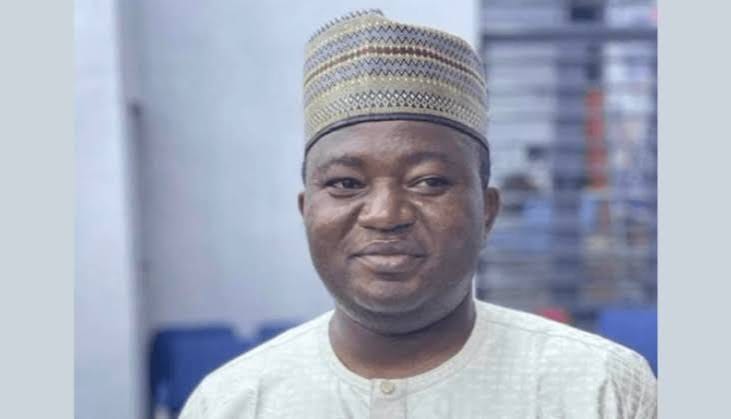
Abdulsalam took up the position of Managing Director of Ajaokuta Steel Company more than a year ago. Since then, he has remained away from his university duties on leave of absence.
However, the university recently named him as the occupant of its professorial chair, which will focus on geoscience and satellite intelligence for resilient gas infrastructure.
Under the programme, six Nigerian universities will receive $1.5 million each from Nigeria Liquefied Natural Gas Limited (NLNG), in partnership with the Nigerian Content Development and Monitoring Board (NCDMB).
The other beneficiaries include the University of Ibadan, Rivers State University, Modibbo Adama University, Aliko Dangote University of Science and Technology, and the University of Nigeria, Nsukka.
In a statement announcing the appointment, the university said Abdulsalam would lead its Geoscience consortium, including the departments of Geology and Gemology, for up to five years.
The university’s spokesperson, Habib Yakoob, defended the decision, explaining that Abdulsalam remained connected to the institution despite his leave of absence.
According to him, the professor sometimes supervises postgraduate students to completion even while away from the university.
He also maintained that the appointment reflected Abdulsalam’s academic standing and specialisation in geophysics.
But this brings us to the bigger question: how does a professor manage a five-year research programme while simultaneously running a government-owned steel company?
In all honesty, Abdulsalam’s academic specialisation may make him suitable for the research chair. However, academic qualifications alone do not answer questions about availability, supervision and effective leadership.
Nigeria has spent decades struggling to turn its universities into centres of research and innovation. From poorly equipped laboratories to inadequate research funding, the problems are well known.
This is why the $9 million endowment programme matters. Its objective is to move research beyond academic publications and produce solutions that industries can actually use.
NLNG Managing Director, Adeleye Falade, said the programme would strengthen collaboration between government, industry and universities. It is also expected to create opportunities for younger researchers to develop their expertise.
The beneficiaries of the programme stand to gain improved research facilities, funding and stronger industry partnerships. Students and younger academics could also benefit from the experience of established professors. However, the university risks weakening the programme’s objectives if its chair occupant cannot devote sufficient time to the assignment.
Interestingly, the university’s spokesperson did not directly explain how Abdulsalam would combine the responsibilities of both positions. The professor himself could not be reached for comments, while NLNG’s response was still being awaited.
The question is not whether Abdulsalam deserves recognition as a professor. It is whether the university has put the right arrangements in place to ensure that the research chair delivers what its sponsors expect.
Bottom Line: Nigeria does not lack professors or research ideas. What it needs is an academic system where appointments come with accountability and public investments produce measurable results.