


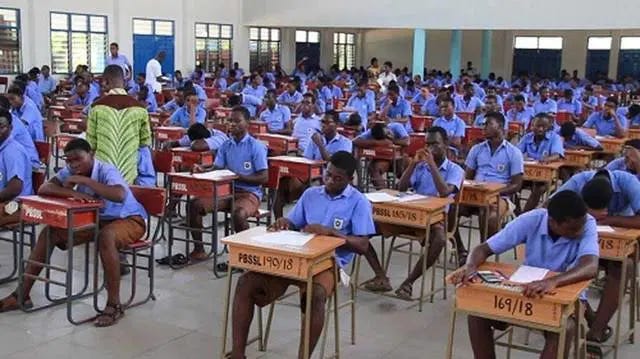
Trade unions, under the aegis of the Association of Senior Civil Servants of Nigeria (ASCSN), have opposed the government’s alleged plan to concession 120 federal Unity Colleges to private individuals or associations. With the backing of parents and teachers, the unions warned that the move would undermine national unity, threaten jobs and make quality education unaffordable for many Nigerians.
The union’s National Vice President, Olubunmi Fajobi, addressed a press conference in Lagos, where he said parents, students, workers and other stakeholders were united in opposing the proposal to sell these schools, which he described as symbols of national unity. Balogun warned that privatisation would throw thousands of workers into unemployment and lead to a sharp increase in tuition fees that would be unaffordable for low-income families.
He also rejected the suggestion that the schools should be handed over to alumni associations, urging such groups to establish their own institutions instead. He recalled that the government had made a similar attempt in 2005, but the move was resisted by unions and other stakeholders. According to him, communities that originally donated land for the schools are also preparing to protest, insisting that the land should be returned to them rather than transferred to private commercial enterprises.
Balogun called on the Nigerian people, religious leaders, and traditional rulers to oppose the move and urged the government to preserve the legacy of the Unity Schools, established under the Unity Charter to promote national cohesion. He added that the unions would continue to engage with the government but would take legal action if necessary.
The Unity Schools were established in the 1970s as a federal government initiative to promote national unity by bringing together students from different ethnic and religious backgrounds. For decades, they have been a symbol of Nigeria’s commitment to integration. The alleged plan to concession them would represent a significant policy shift, one that labour unions argue would undermine the very purpose of the schools.
This echoes the 2005 attempt to privatise the Unity Schools, which was abandoned after widespread opposition. The mechanism was different then, but the result was the same: the government backed down. The question is whether the current administration will persist where its predecessors retreated.
The winners: private investors who would gain access to valuable assets. The losers: students who would face higher fees; teachers who would lose their jobs; and the principle of national unity, which the schools were designed to promote.
Bottom Line: The government wants to concession the Unity Schools. Labour says no. This fight has happened before. The government lost then. The question is whether it will lose again.