


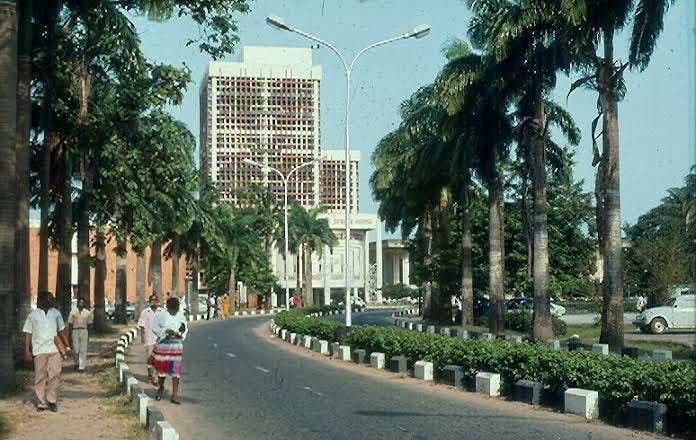
The University of Lagos (UNILAG) introduced climate change and sustainability modules across 55 academic degree programmes. University management noted that embedding environmental science into diverse curricula prepares graduates for green-economy jobs while driving regional climate action.
The move is a significant step towards integrating climate education into Nigeria’s higher education system. The modules will cover topics such as climate science, sustainable development and green technologies, equipping students with the knowledge and skills needed to address climate change. The university’s decision reflects the growing recognition that climate change is a cross-cutting issue that must be addressed across disciplines.
This echoes the 2010s sustainability education initiatives in Western universities, which have become increasingly common. The mechanism then was different, but the result was the same: a focus on preparing students for the green economy.
The winners: UNILAG graduates, who will have green-economy skills; and the Nigerian economy, which gains a more climate-literate workforce. The losers: the Nigerian government, which must ensure that the education sector is adequately funded; and the Nigerian public, who must wait for the benefits to materialise.
Bottom Line: UNILAG is embedding climate change into 55 degree programmes. The goal is to prepare graduates for green jobs. The question is whether other universities will follow.