


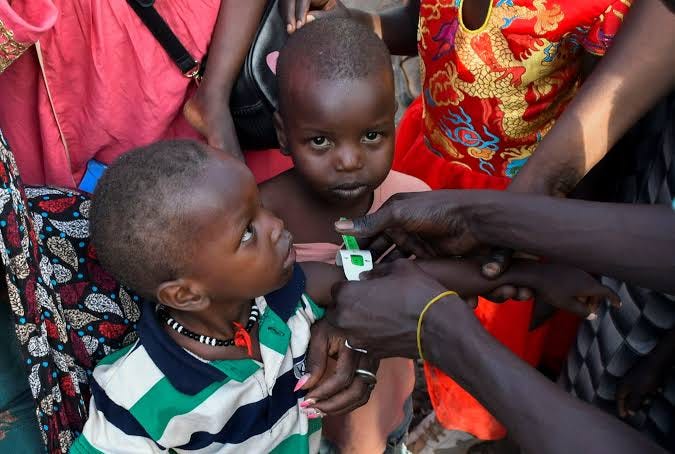
More than 650,000 refugees and asylum seekers in South Sudan risk losing food assistance within weeks because of a severe funding shortfall, the United Nations has warned. The World Food Programme and UN refugee agency said the country is facing one of the world’s worst hunger crises, with more than 7.8 million people experiencing acute food insecurity and 2.2 million children acutely malnourished.
The most vulnerable 240,000 refugees are expected to receive their final food distributions in September unless urgent funding is secured. Without additional support, all refugee food assistance could end in October. The crisis is also being worsened by an influx of about 3,000 refugees and returnees from neighbouring Sudan each week. The UN said some refugees are considering returning to Sudan despite unsafe conditions. It warned that further funding cuts could also end assistance to internally displaced people and those in famine-risk areas.
The Nigerian stake is clear. South Sudan’s crisis is a warning of what can happen when humanitarian funding is cut. Nigeria faces similar challenges, with millions of people in the North-east dependent on humanitarian assistance. The UN’s warning is a reminder that funding cuts can have devastating consequences.
From a Nigerian vantage point, the crisis is a reminder that Nigeria must invest in its own humanitarian capacity. The country cannot rely on international assistance indefinitely.
This echoes the 2017 famine warnings in South Sudan, which also saw the UN warn of a funding shortfall. The mechanism then was different, but the result was the same: a humanitarian crisis that required urgent international attention.
The winners: none. The losers: the 650,000 refugees who risk losing food assistance; and the Nigerian government, which must learn from the crisis.
Bottom Line: 650,000 refugees in South Sudan risk losing food aid. The funding shortfall is severe. The question is whether the international community will act before it is too late.