


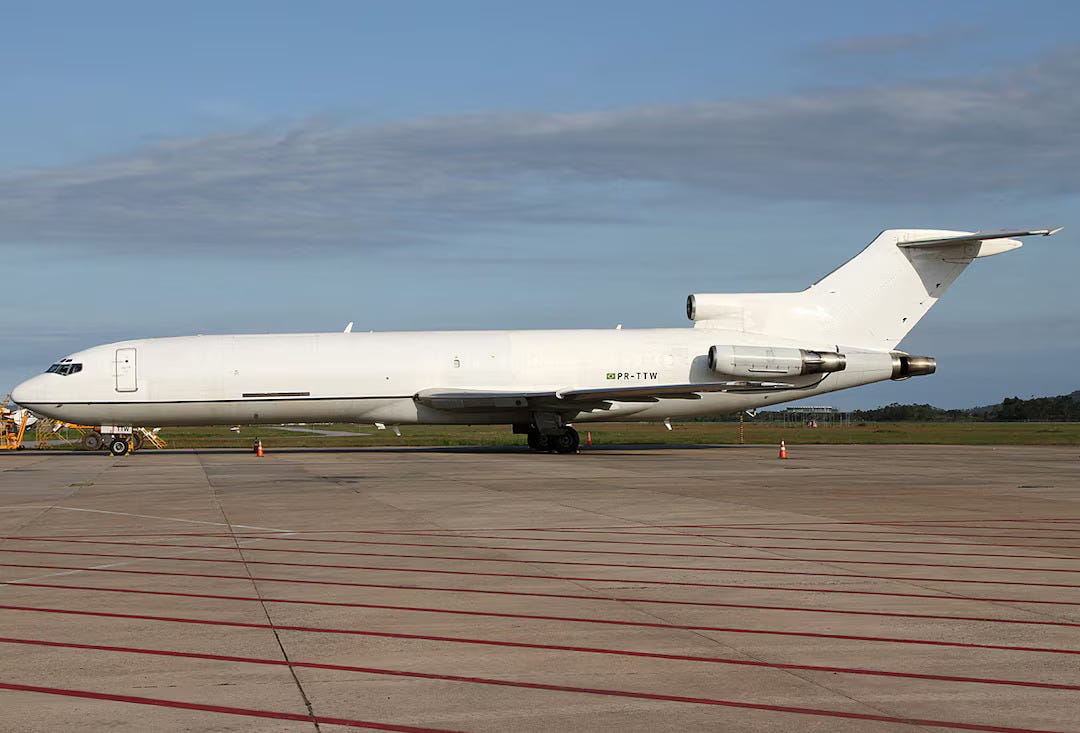
United Nations experts have concluded that Boeing 727 aircraft previously linked by Reuters to a U.S. military contractor’s business network were used to transport fighters, foreign mercenaries, weapons and drones for Sudan’s Rapid Support Forces (RSF), according to a draft report due for publication in September. The report, submitted to the UN Security Council, says investigators received information from eyewitnesses and member states indicating the aircraft operated along an air corridor between Chad and Sudan’s Darfur region.
The findings support earlier Reuters reporting that traced the planes to RSF logistics hubs in Sudan, Libya and Somalia. The UN panel also said the aircraft appeared to avoid detection by not broadcasting flight data. Separately, investigators found credible evidence that up to 2,000 Colombian mercenaries hired by a UAE-based company fought alongside the RSF in Darfur. The UAE denied the company was involved in mercenary activities, while the conflict continues to fuel one of the world’s worst humanitarian crises.
The Nigerian stake is clear. Sudan’s conflict has regional implications. The Sahel is already destabilised by jihadist insurgencies, and the collapse of Sudan could create a new front for extremism. Nigerian troops have participated in peacekeeping missions in Darfur in the past, and the country has a strategic interest in preventing the conflict from spreading.
From a Nigerian vantage point, the UN report is a reminder that Sudan’s conflict is not just a Sudanese problem. It is a regional problem with global implications. The involvement of foreign mercenaries and the use of sophisticated logistics networks highlight the scale of the challenge.
This echoes the 2004 Darfur genocide, when the international community was slow to respond to mass killings. The mechanism then was different, but the result was the same: thousands died while the world debated whether to intervene.
The winners: none. The losers: the people of Darfur, who continue to suffer; and the international community, which has failed to stop the violence.
Bottom Line: A UN report links Boeing aircraft to the RSF. The conflict is escalating. Nigeria is watching. The question is whether the world will act before it is too late.