


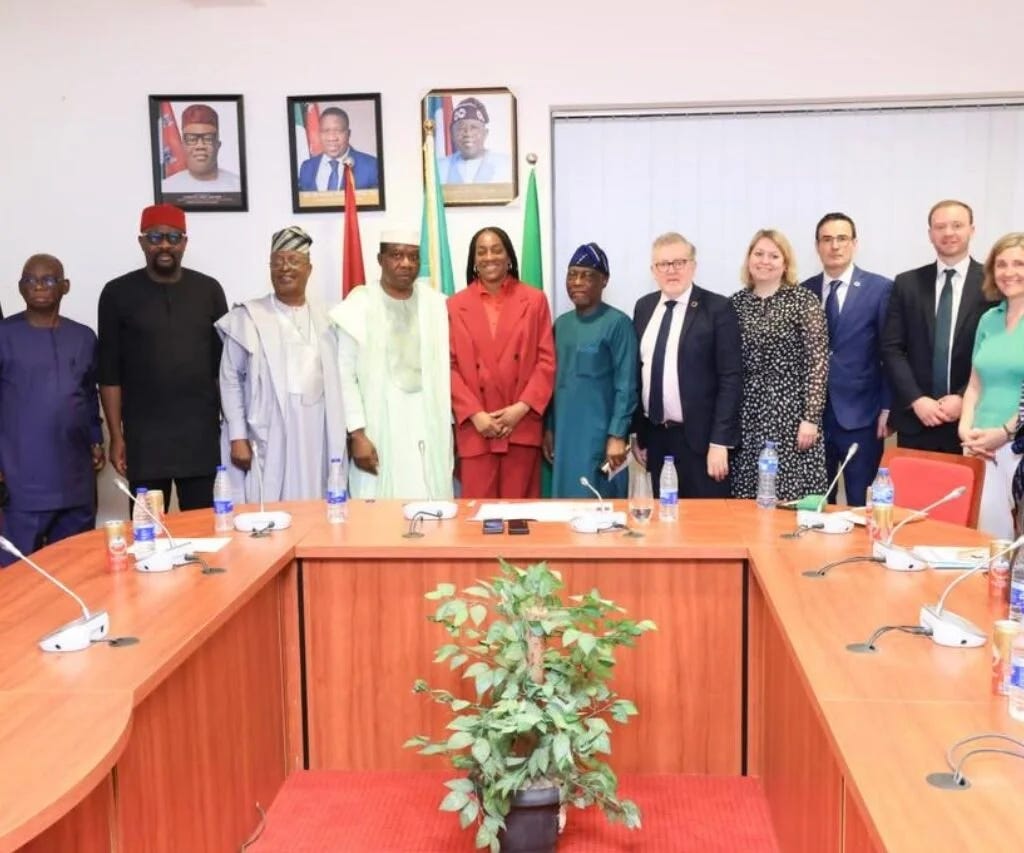
The UK Government’s development partnership with Nigeria risks being undermined by “multiple obstacles” and a revised approach is needed, the International Development Committee has found in a new report. The report warns that without a more strategic plan, the partnership may fail to deliver its promised mutual benefits.
Nigeria has Africa’s third-largest economy and its largest population, with projections predicting it will reach 400 million people by 2050. The UK Government agreed a strategic partnership with Nigeria in 2024, bringing together multiple strands of bilateral cooperation. The committee called the partnership “a grand strategic bet for the UK,” with the expectation that targeted support would bring about mutual benefits, including a reduction in bilateral aid to Nigeria.
Committee Chair Sarah Champion said: “Our Committee welcomes the long-term, strategic partnership established between the UK and Nigeria. But in our report, we are clear that this partnership represents a grand strategic bet – and one which is far from certain to pay out.”
The severity of continuing humanitarian need in Nigeria is such that one inquiry witness described the country as a “forgotten crisis.” The committee finds that Nigeria has the potential to take on responsibility for meeting its own humanitarian needs, and it calls on the Government to detail the steps it is taking to assist the Nigerian Government in assuming responsibility for meeting these needs.
The report calls on the FCDO to develop a clear monitoring framework for assessing the implementation of the humanitarian-development-peace nexus in Nigeria. It also calls on the department to review all factors that risk undermining the partnership, including humanitarian need, instability, insecurity, good governance issues, and low investor confidence in Nigeria’s economy.
The Nigerian stake is clear. The UK is one of Nigeria’s largest bilateral donors, and the strategic partnership is a key pillar of the country’s international relations. If the partnership fails, Nigeria loses not just aid but also diplomatic and economic support.
From a Nigerian vantage point, the report is a warning. The UK is signalling that it expects Nigeria to take more responsibility for its own development. The question is whether the Nigerian government is capable of meeting that expectation.
This echoes the 2015 aid cuts, when the UK reduced its development assistance to Nigeria amid concerns about corruption and governance. The mechanism then was different, but the result was the same: a donor country losing patience with a recipient that fails to deliver.
The winners: none. The losers: the Nigerian government, which faces reputational damage, and the Nigerian people, who may lose access to UK-funded programmes.
Bottom Line: UK MPs say Nigeria’s partnership is at risk. The obstacles are many. The question is whether Nigeria will address them or watch the partnership collapse.