


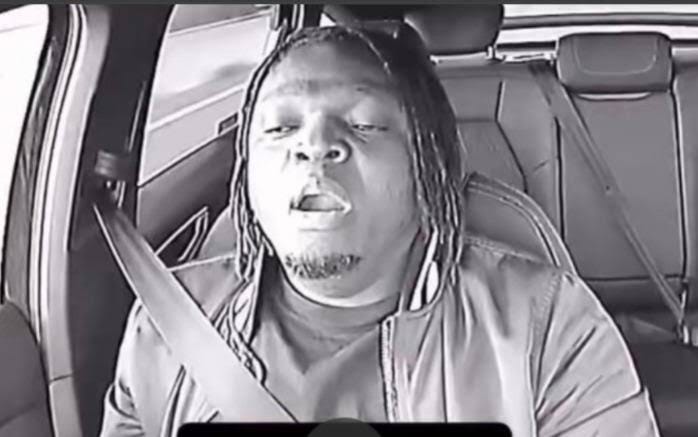
Kolawole Erunkulu was not a reckless driver, not in the way we usually understand the word. He did not speed through a red light or overtake on a blind bend. He was simply too tired to keep his eyes open. The six-year prison sentence handed down at Guildford Crown Court on August 25, 2026, is a testament to the fact that fatigue can be as lethal as any other form of dangerous driving.
On August 17, 2025, Erunkulu had been driving for 53 hours over the previous three days. His longest rest period was just seven hours, and the rest were mere snippets of sleep. Early that morning on the A23 in Merstham, Surrey, he experienced a “microsleep”—a brief episode of unconsciousness lasting mere seconds. During that moment, his Audi veered into a layby and struck 59-year-old Philip Dray, who had stopped to take a break in his Volkswagen. Dray was opening his door when he was hit and died at the scene.
Footage from Erunkulu’s interior camera showed him yawning and closing his eyes moments before the crash, and the court heard that he had been aware he was extremely tired but chose to continue driving. The sentencing judge, Her Honour Judge Lees, remarked that he had accumulated a significant “sleep debt” and that “all of this could have been stopped had he have slept”. He pleaded guilty to causing death by dangerous driving in June 2026.
The tragedy resonated beyond the courtroom. Philip Dray’s family described him as “an amazing partner and man,” dependable and caring, whose death has left a void in their lives. His sister said he was a careful driver who spent his life prioritising the safety of others. To prevent future tragedies, his family agreed to release the footage of Erunkulu falling asleep, a decision that has sparked widespread conversations online about the need for drivers to prioritise rest, especially during the early hours of the morning when the body’s natural drive to sleep is strongest.
The winners: none. The losers: the family of Philip Dray, who lost a beloved partner and brother; Kolawole Erunkulu, who must now serve a six-year prison sentence; and the many drivers who will see the footage and hopefully learn a crucial lesson.
Bottom Line: A 53-hour work schedule cost one man his life and another his freedom. The question is whether this cautionary tale will persuade others to pull over and rest.