


The National Film and Video Censors Board (NFVCB) and the Nigerian Communications Commission (NCC) have confirmed deeper institutional collaboration on content classification and licensing across mobile applications, social media and video-sharing platforms. Regulatory heads from both agencies disclosed the arrangement during the week. The logic is straightforward: the NFVCB holds the classification mandate, but the NCC licenses the networks on which most content now travels.
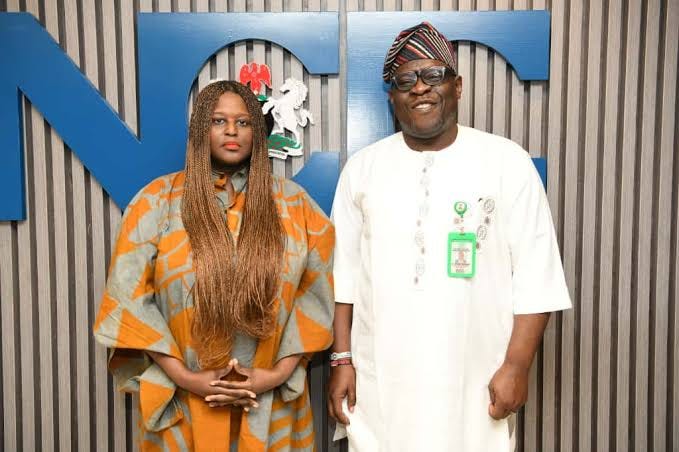
The mechanics expose the gap the arrangement is meant to close. Nigerian content regulation was built for cinemas and video shops. A streaming service, a TikTok feed and a Telegram channel do not fit that frame. Neither agency has clear statutory authority over what a foreign platform hosts, and neither can classify the volume of material posted daily. Coordination will produce a common licensing template and a shared complaints process. It will not produce the capacity to screen millions of uploads.
This echoes the 2021 attempt to regulate social media through the National Broadcasting Commission, which ended in a court defeat and a retreat. It also mirrors the longer pattern of Nigerian regulators asserting jurisdiction over the internet faster than the National Assembly can legislate it.
The winners are the agencies, which gain a formal mandate and a budget line, and the compliant platforms, which prefer one regime to two. The losers are the digital creators who will face licensing costs, and the users who will discover that a classification dispute can take a video down long before any court sees it.
Bottom Line: Coordination between two regulators is not the same as authority over a platform that answers to neither.