


The Trade Union Congress has rejected the Federal Government’s proposed ₦70,000 monthly transport allowance for workers. The TUC described the plan as “haphazard measures” for cushioning the effects of fuel subsidy removal. It demanded an immediate salary increment. The government approved the allowance on Tuesday. It was to begin in November. The TUC’s National Administrative Council met and rejected it.
The government removed the petrol subsidy in May 2023. Pump prices rose from about ₦185 to over ₦1,400 per litre. The government introduced wage awards to cushion the impact. The 2023 wage award of ₦40,000 was poorly implemented. The TUC said over 80% of states and the informal sector never received it. The minimum wage was raised to ₦70,000 in 2024. Inflation eroded its value. Workers have demanded a permanent increase, not temporary palliatives.
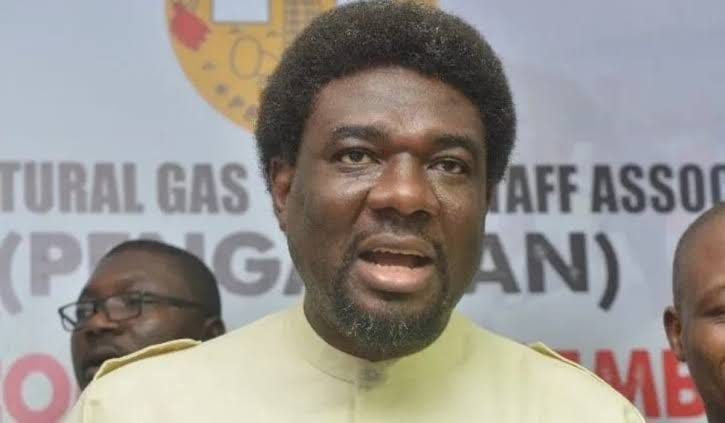
The TUC President, Festus Osifo, spoke in Abuja. The General Secretary, Nuhu Toro, flanked him. “How do we go back to the same wage award that never benefited all workers?” he asked. “How can workers be expected to trust fresh promises when previous obligations remain outstanding?” He said temporary wage awards are not sustainable. He argued that salary is the only consistent pay workers can rely on. He demanded a pay raise for all government workers. He also called for the full implementation of agreements with the Joint Health Sector Unions.
The government had also approved the payment of outstanding peculiar allowance arrears from 1 May 2026. It would be paid in three equal instalments starting in November. The TUC said that was not enough. It called on all tiers of government to reduce the cost of essential goods, pay salaries and pensions on time, protect jobs and revitalise the productive sector.
The rejection widens the gap between labour and government. The Nigeria Labour Congress has its own ultimatum. The two centres are not fully aligned. That weakens labour’s leverage. The government may exploit the division.
Winners: The TUC, which asserts its independence. Workers, if a salary increase follows. The government, if it can split the labour movement. Losers: The Federal Government, whose offer was rejected. Workers, who continue to wait. The NLC, whose strategy faces competition. Taxpayers, if the standoff leads to a larger settlement. The economy, if industrial action follows.
Bottom Line: The government offered ₦70,000 a month. The TUC said no. It wants a permanent raise. The old wage award was poorly paid. The trust is gone. The government must offer more. Labour must stay united. Workers cannot eat promises.