


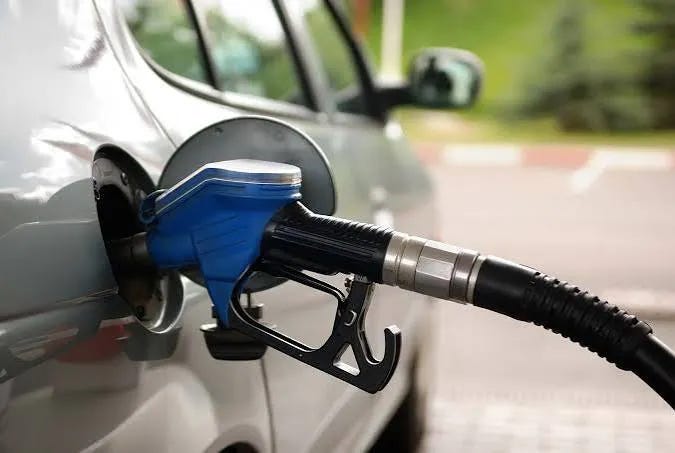
The National Union of Road Transport Workers (NURTW) has urged the Federal Government to address rising petrol prices. The chairman of the Ikole-Ekiti unit, Tajudeen Ojo, made the appeal. He said petrol sells for ₦1,400 per litre in Ekiti. The cost is squeezing commercial operators.
The petrol subsidy was removed in May 2023. Pump prices rose from about ₦185 to over ₦500 per litre. They climbed again in 2024 and 2025. Each increase pushed transport fares up. In 2024, the NURTW threatened strikes over diesel and petrol costs. In 2025, operators in Lagos and Abuja reduced fleets. The pattern is consistent. Fuel is the largest operating cost for commercial transport. When it rises, fares follow or operators exit.
Ojo said operators now spend more on fuel while also contending with maintenance and spare parts costs. “We buy petrol at ₦1,400 per litre, and this has increased our daily operating expenses,” he said. He said transporters cannot maintain existing fares without operating at a loss. He appealed to the government and stakeholders to stabilise prices. He urged operators to remain considerate in adjusting fares because commuters are also struggling.
The economics are straightforward. A commercial bus covers a fixed route daily. Fuel, maintenance and driver wages are the main costs. When fuel doubles, the fare must rise or the margin disappears. Operators who cannot raise fares exit. Those who can, pass the cost to commuters. Commuters then spend more on transport and less on food, school fees and rent. Transport inflation feeds directly into food inflation because traders pay more to move goods.
The government’s options are limited. It ruled out a return to subsidies. The CPPE estimates the annual cost at about ₦19 trillion. Naira-denominated crude allocations to local refineries could lower input costs. So could expanded domestic refining. Neither is immediate. Until then, transporters and commuters share the burden.
Winners: Domestic refiners, if naira crude allocations expand. Fuel marketers, who pass costs through. The government, which avoids subsidy costs. Losers: Transport operators, whose margins shrink. Commuters, who pay higher fares. Traders, who face higher logistics costs. Households, who absorb transport inflation. The NURTW, if its appeals are ignored.
Bottom Line: Petrol at ₦1,400 is a transport tax. Operators cannot absorb it. Commuters cannot avoid it. The government can cushion it or ignore it. The pump price is global. The pain is local.