


President Bola Tinubu has asked the National Assembly to approve a revised 2026 budget that cuts aggregate expenditure to ₦65.176 trillion from the ₦68.323 trillion earlier approved. The letter, dated 20 November and read on the floor of the House of Representatives on Tuesday, was also transmitted to the Senate, where it scaled second reading and was referred to the Committee on Appropriations for a one-week report. The fiscal deficit remains at ₦31.457 trillion, or 5.64% of GDP. New borrowing also stays at ₦29.218 trillion, split between ₦18.428 trillion domestic and ₦10.790 trillion external.
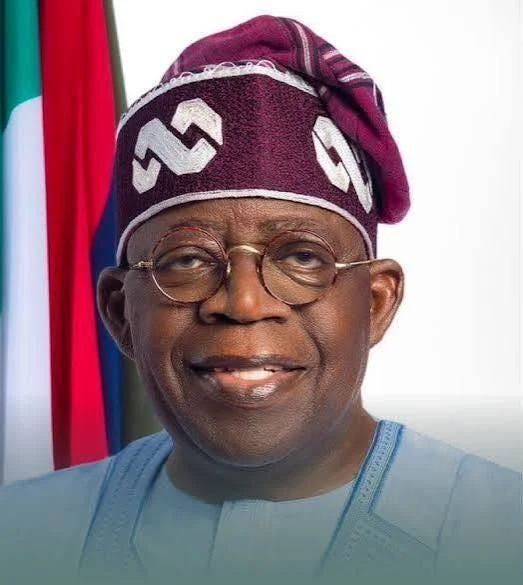
The mechanics of a budget cut five weeks before the fiscal year ends are a study in how Nigerian budgets actually work. The President said the revision would regularise expenditures incurred by the Nigerian National Petroleum Company Limited on behalf of the Federation, address underprovided debt-service obligations, and recognise issued capital warrants and supplementary commitments. In other words, the cut is not austerity. It is reconciliation. The money was already spent or committed, and the appropriation is being adjusted to match reality.
This echoes the 2016 and 2020 budget revisions, when the government adjusted spending mid-year to reflect oil revenue shortfalls and unbudgeted obligations. It also mirrors the longer pattern of Nigerian appropriations being revised after the fact rather than executed as passed.
The winners are the Ministry of Finance, which gets a budget that matches its actual cash position, and the ministries whose capital projects were protected in the revision. The losers are the senators who will now be asked to approve a budget cut and a fresh ₦10.79 trillion borrowing request in the same week, and the taxpayers who will service a deficit that did not shrink with the spending.
Bottom Line: A budget cut that leaves borrowing and the deficit untouched is not fiscal discipline. It is bookkeeping.