


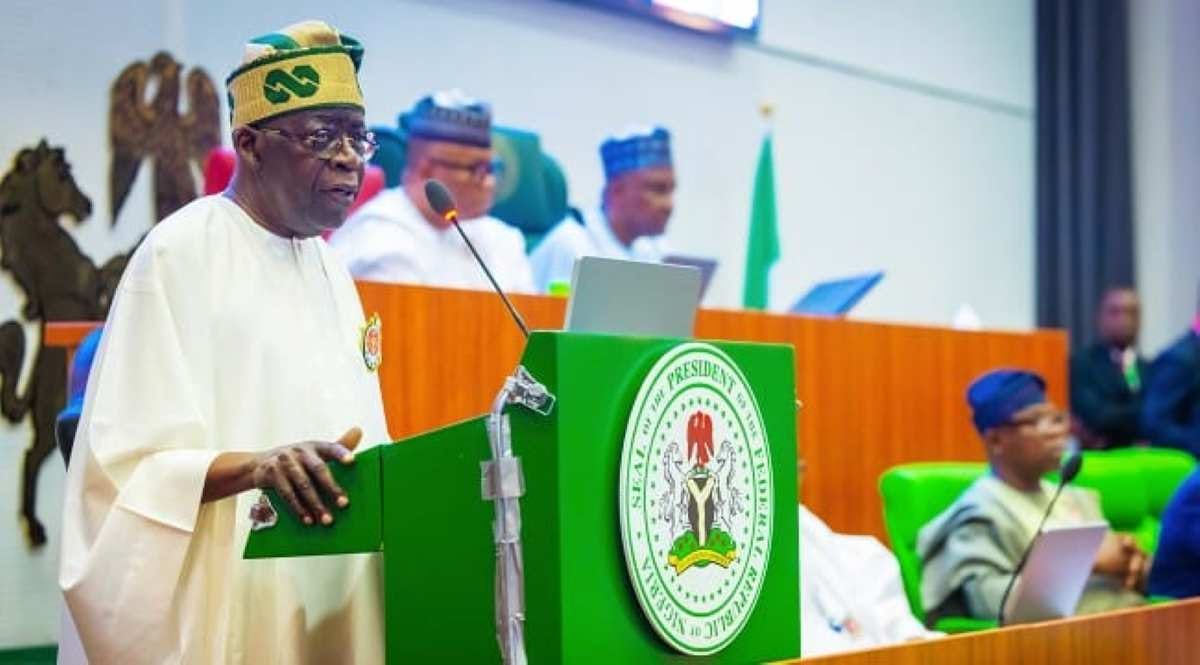
President Bola Tinubu has sought Senate approval for a supplementary external borrowing plan of $20.52 billion and €1.05 billion for 2026 and 2027. The request is contained in a letter to Senate President Godswill Akpabio. It was read at plenary on Tuesday.
Nigeria’s debt stock has grown sharply. The 2023 subsidy removal and naira float reduced revenue in dollar terms while raising costs. The government borrows to fund infrastructure and budget deficits. Debt service consumed more than federal revenue in the first half of 2026. The World Bank has warned that expensive borrowing crowds out development spending. The current borrowing plan covers critical sectors.
Tinubu said the funds would address the infrastructure deficit and close financing gaps. The projects cover infrastructure, agriculture, healthcare, education, water supply, security, employment and financial management reforms. He said they were selected after technical and economic evaluations. They would generate jobs, promote skills, reduce poverty and improve food security. Most projects span the 36 states and the FCT.
“Substantial investment in infrastructure remains necessary to support economic growth,” he said. The funds would target power, transportation and healthcare. He urged urgent consideration to allow timely disbursement and implementation.
Akpabio referred the request to the Committee on Local and Foreign Debts with the Committees on Appropriations and Finance. He noted that the borrowing plan had been included in the earlier approved framework. “The external borrowing plan was approved as far back as 2025 to 2027,” he said.
The Senate will scrutinise the plan. Borrowing adds to the debt stock. Debt service already competes with capital spending. The approvals will determine whether the projects proceed. The fiscal space is narrow.
Winners: Contractors, who gain projects. The Federal Government, which gains financing. States hosting projects, which gain infrastructure. The Ministry of Finance, which advances the plan. Losers: Taxpayers, who fund debt service. Future generations, who inherit the debt. Sectors that miss out on allocations. Critics who see the borrowing as unsustainable. The economy, if the funds are mismanaged.
Bottom Line: $20.52 billion and €1.05 billion. The borrowing plan is large. The infrastructure gap is real. Debt service is already heavy. The Senate must scrutinise. The projects must deliver. Borrowing without results is a trap.