


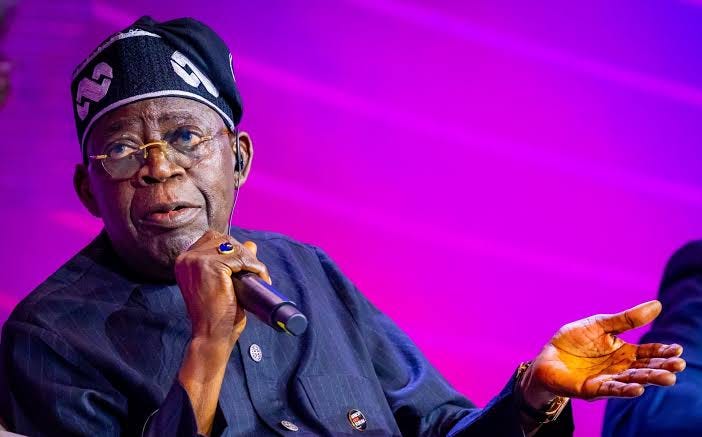
President Bola Tinubu says Nigeria has significantly reduced its reliance on oil revenue. He spoke at the fifth anniversary of the Nigerian Upstream Petroleum Regulatory Commission (NUPRC) in Abuja. Vice President Kashim Shettima represented him. “We have already reduced our dependence on oil revenue, and we intend to go further,” Tinubu said. He said the diversification strategy focuses on agriculture, manufacturing, digital and creative industries.
Nigeria has depended on oil for decades. Oil accounts for the bulk of foreign exchange and a large share of government revenue. The 2016 recession exposed the risk. The government has pledged diversification for years. Agriculture, solid minerals and the digital economy are priority sectors. Progress has been uneven. Oil remains central. The subsidy removal in 2023 and the naira float in 2023 changed the fiscal calculus. The government needs non-oil revenue more than ever.
Tinubu said the oil and gas sector would continue to provide energy, foreign exchange and revenue. But it would not be the main driver of growth. He cited improved security and cooperation among producers, host communities and security agencies. He said Nigeria ranked first among Africa’s leading destinations for upstream investment for two consecutive years.
The Minister of State for Petroleum Resources (Oil), Heineken Lokpobiri, said Nigeria produces about 1.7 million barrels of crude oil per day. It has more than 37 billion barrels of reserves. He called for more investment and licensing rounds. The NUPRC said it approved more than $57 billion in Field Development Plans since 2024. Twenty-two major offshore projects are expected to come on stream between 2026 and 2030. They are estimated to attract between $30 billion and $50 billion in investment.
The claim of reduced oil reliance is contested. In the first two months of 2026, oil and gas revenue remittances fell significantly below projections. N937.10 billion was budgeted. Actual remittances were N137.41 billion. Oil remains important. The diversification agenda is a direction, not a destination.
Winners: The Federal Government, which shows progress. The NUPRC, which gains visibility. Non-oil sectors, which gain attention. Investors, who gain confidence. Losers: Critics who see the claim as premature. The treasury, if oil revenues fall further. Nigerians who see no improvement in daily life. The government, if diversification stalls.
Bottom Line: Tinubu says oil reliance is reduced. Non-oil sectors are growing. Oil still dominates the fiscal accounts. The first two months of 2026 saw revenue fall short. Diversification is a direction. It is not a destination yet.