


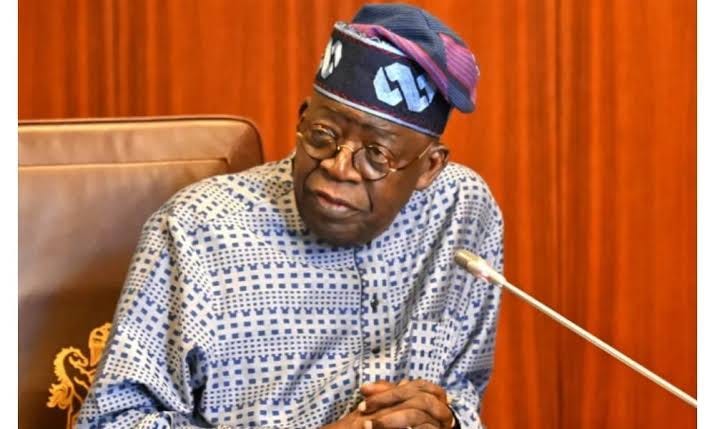
President Bola Tinubu directed the National Sports Commission to implement structural reforms across national sports bodies following consecutive tournament qualification setbacks. The directive comes after the Super Falcons’ failure to qualify for the 2027 Women’s World Cup and the Super Eagles’ failure to qualify for the 2026 FIFA World Cup, which have sparked widespread criticism and calls for accountability.
The President’s directive is a recognition that the current system is not working. The reforms are expected to address the structural issues that have undermined the performance of Nigeria’s national teams. The National Sports Commission will be responsible for implementing the reforms, which could include changes to the governance, funding and management of sports bodies. The success of the reforms will depend on the Commission’s ability to deliver meaningful change.
This echoes the 2010 sports reforms, which also sought to improve the performance of Nigerian sports. The mechanism then was different, but the result was the same: a recognition that reform is needed.
The winners: Nigerian sports, which may benefit from the reforms; and the Nigerian public, who are demanding accountability. The losers: the sports bodies that resist change; and the Nigerian government, which must ensure the reforms are implemented.
Bottom Line: Tinubu has ordered sports reforms. The failures have forced action. The question is whether the reforms will deliver results or just be another paper exercise.