


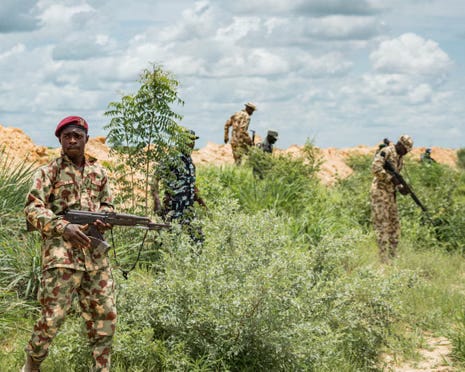
President Bola Tinubu has ordered the military and other security agencies to launch an immediate operation to rescue scores of people abducted by gunmen in Niger State. Residents said about 600 women, children and elderly people were kidnapped during an attack on a mosque last week, although authorities are still verifying the figure. A local official said at least 30 people were killed and buried on Sunday.
Tinubu condemned the attack and directed security chiefs to provide regular updates on efforts to rescue the victims. At least 2,000 residents reportedly fled to neighbouring Benin Republic following the attack. The incident highlights the growing threat of mass kidnappings in northern Nigeria, where armed groups frequently raid communities, schools and highways for ransom. Security experts described the incident as a major failure of security operations.
The abduction of 600 people from a mosque is one of the largest mass kidnappings in Nigeria’s recent history. The fact that the attackers could target a place of worship and abduct hundreds without facing immediate resistance is a stark indictment of the security situation. The government’s rescue operation will be a test of its capacity to respond to such large-scale incidents.
This echoes the 2022 mass abduction in Zamfara, which also saw hundreds of people kidnapped and the government struggling to secure their release. The mechanism then was different, but the result was the same: a government overwhelmed by the scale of the crisis.
The winners: none. The losers: the families of the victims, who are living in anguish; the communities affected, who have been displaced; and the Nigerian state, which has failed to protect its citizens.
Bottom Line: Six hundred people have been abducted in Niger State. The government promises action. The question is whether the rescue will succeed or the victims will remain in captivity.