


President Bola Tinubu launched a $552 million basic education programme on July 17, co-financed by the World Bank and the Global Partnership for Education. The massive investment drive aims to improve learning outcomes, widen access to schooling and strengthen Nigeria’s economic and educational systems.
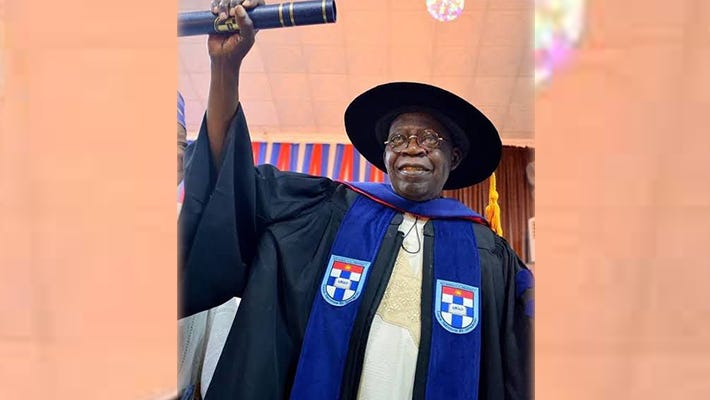
The programme is one of the largest education investments in Nigeria’s recent history. It will focus on improving learning outcomes, particularly in reading and mathematics, as well as expanding access to education for children in underserved communities. The programme is expected to benefit millions of children across the country.
The launch follows the Federal Government’s announcement that it would conduct a comprehensive nationwide household survey to establish an accurate figure for Nigeria’s out-of-school children. The survey is intended to provide the data needed to guide policy interventions, including the new programme.
This echoes the 2010s education investment programmes, which also aimed to improve learning outcomes. The mechanism was different then, but the result was the same: recognition that education is essential for economic development.
The winners: Nigerian children, who stand to benefit from the programme, and the Nigerian education system, which gains investment. The losers: the Nigerian public, which has heard similar promises before, and the government, which must ensure the programme is implemented effectively.
Bottom Line: Nigeria has launched a $552 million education programme. The ambition is right. The question is whether the money will reach the classrooms or disappear in the usual way.