


President Bola Tinubu has conferred the Grand Commander of the Order of the Niger (GCON) on Chief Wole Olanipekun, a Senior Advocate of Nigeria, at the public presentation of his books in Abuja. The GCON is Nigeria’s second-highest national honour. The presentation drew the legal establishment, political figures and the clergy.
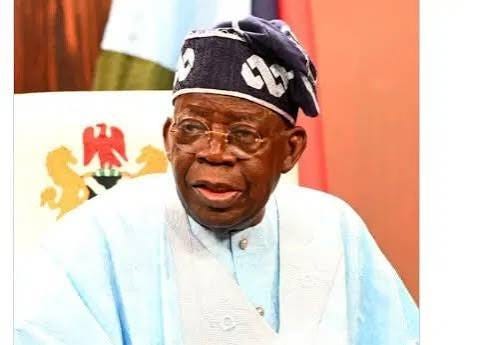
The mechanics of a national honour are worth stating plainly. Nigeria has no published criteria for most of its awards beyond a presidential decision, which means an honour is what the President says it is. Olanipekun is a former President of the Nigerian Bar Association and one of the country’s most consequential advocates, with a practice that spans decades and a long list of high-profile clients. The honour is not unearned. It is also not a coincidence that it arrived at a book launch, where the audience is exactly the one that notices such things.
This echoes the 2011 and 2014 honours lists, which were challenged in court and in the press over the inclusion of political donors and the exclusion of worthier candidates. It also mirrors the longer pattern of Nigerian honours functioning as instruments of political relationship rather than a system of public recognition.
The winners are Olanipekun, who gains the honour, and the President, who gains the optics of celebrating scholarship and the legal profession. The losers are the other distinguished Nigerians in law, medicine and public service who will never be nominated, and the honours system itself, which loses a little more of its meaning each time it is used this way.
Bottom Line: An honour conferred at a book launch is still an honour. It is also a reminder that Nigeria has never published what these awards are for.