


President Bola Tinubu has welcomed the $800 million Final Investment Decision (FID) on the Ima Gas Project. He described it as a major breakthrough for industrial expansion and domestic gas utilisation. The project has been on the shelf for 50 years. The FID signals that construction can begin.
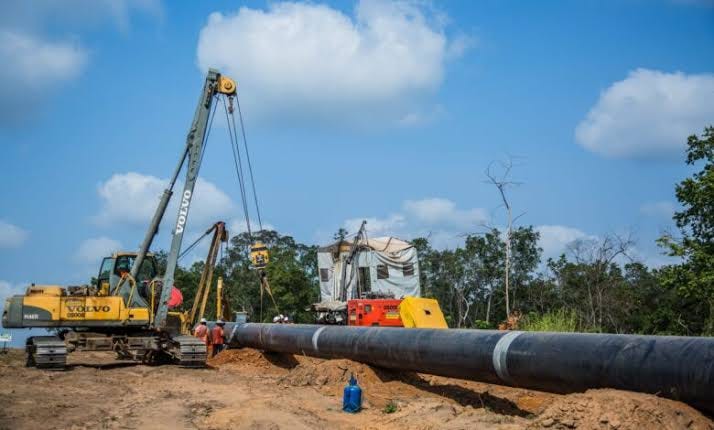
Nigeria has more gas than oil. Proven reserves exceed 200 trillion cubic feet. Yet the country flares gas and imports products it could produce. The Ima project has been discussed since the 1970s. Successive governments promised to develop it. Nothing happened. The delay reflects the broader failure of Nigeria’s gas sector. Infrastructure is inadequate. Financing is scarce. Policy is inconsistent. The FID is a rare step forward.
The $800 million commitment is significant but modest by global standards. It covers the initial phase. The project aims to process gas for domestic use. It will supply power plants and industries. It will also produce cooking gas and feedstock for fertiliser. The economic logic is sound. Domestic gas utilisation reduces dependence on imported fuel. It also supports industrialisation. Manufacturers need reliable power. Gas-fired plants provide it. Fertiliser production supports agriculture. Both are priorities.
The FID comes as the government promotes gas as a transition fuel. Nigeria has committed to net-zero emissions by 2060. Gas is the bridge. The government wants to expand domestic gas use. It has launched the Decade of Gas initiative. It has invested in pipeline infrastructure. The Ima project fits that agenda.
The challenges are familiar. Gas projects require pipelines, processing plants and offtake agreements. They take years to build. They face security risks in the Niger Delta. They face financing risks. The $800 million is a start. It is not completion. The project will need more capital. It will need political stability. It will need community support.
Winners: The Federal Government, which claims a breakthrough. Gas investors, who gain a signal. Industries, if gas supply improves. Communities in the project area, if jobs follow. Losers: Oil importers, if domestic gas displaces their products. The environment, if flaring continues. Taxpayers, if the project requires subsidies. Nigerians, if the project stalls like its predecessors.
Bottom Line: Fifty years of delay ended with an $800 million commitment. The Ima project can transform domestic gas use. It can also join the list of abandoned projects. The FID is a promise. Construction is the test.