


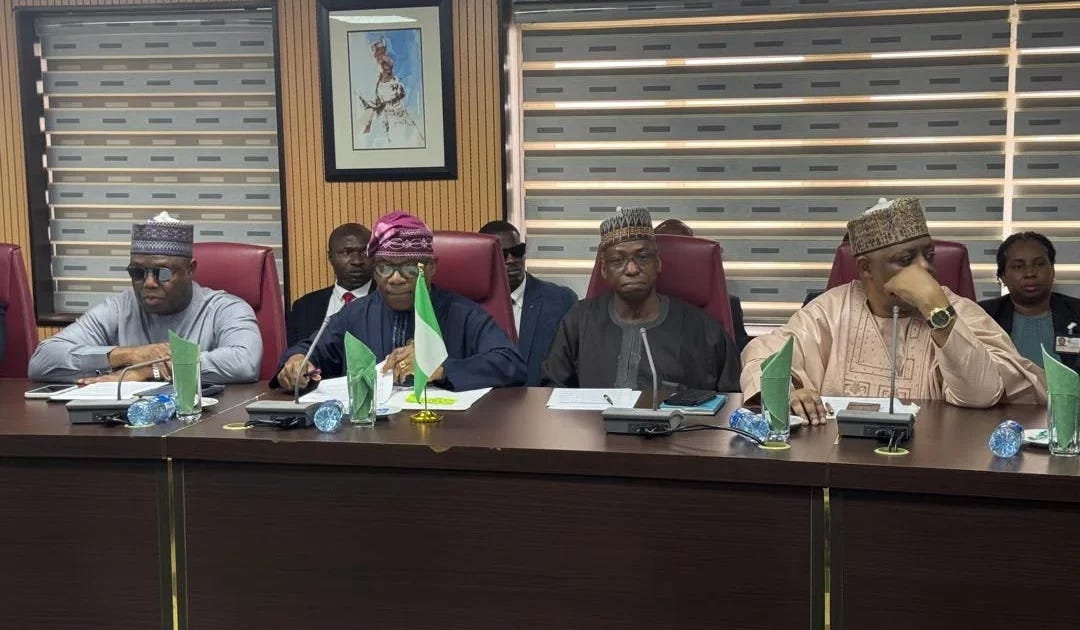
President Bola Tinubu declined a direct audience at the State House with a visiting South African delegation led by Minister of International Relations Ronald Lamola. Instead, Tinubu directed the envoy to hold emergency diplomatic talks with Minister of State for Foreign Affairs Sola Enikanolaiye to address the recent xenophobic violence and coordinate the ongoing evacuation of Nigerian citizens.
The decision to decline a direct meeting is a significant diplomatic gesture. It suggests that Nigeria is not prepared to engage at the highest level until the issue of xenophobic violence is resolved. The emergency talks will focus on the protection of Nigerian citizens and the evacuation of those who wish to return home.
This echoes the 2019 diplomatic tensions between Nigeria and South Africa, when Nigeria also recalled its ambassador and demanded action from Pretoria. The mechanism then was different, but the result was the same: a government taking a strong stance on the protection of its citizens.
The winners: the Nigerian government, which has taken a strong stance; and the Nigerian citizens, who may benefit from improved protection. The losers: the South African government, which faces diplomatic pressure; and the Nigerian public, who are watching closely.
Bottom Line: Tinubu has declined to meet with South Africa’s foreign minister. The message is clear: Nigeria is not satisfied with the response to xenophobic violence. The question is whether the talks will lead to action.