


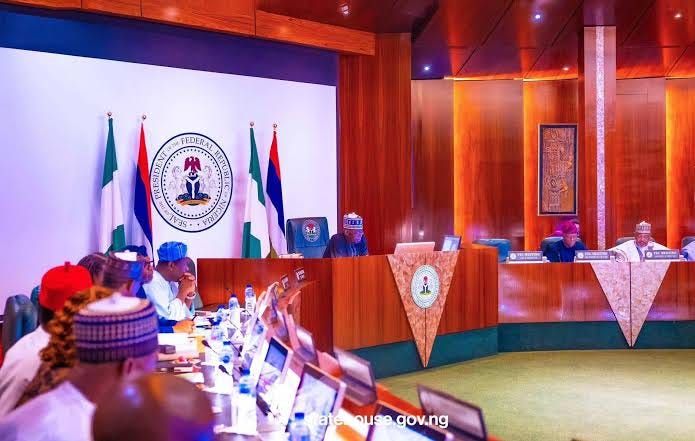
President Bola Tinubu issued a directive barring federal ministers, security chiefs, and heads of government agencies from undertaking foreign trips without prior approval from the Secretary to the Government of the Federation (SGF) to ensure focus on domestic policy execution. The directive is aimed at curbing unnecessary travel and ensuring that government officials remain focused on their domestic responsibilities.
The move reflects the administration’s concern about the frequency of foreign trips by government officials. The directive is also a response to public criticism of the government’s travel expenditure. The success of the directive will depend on enforcement and the willingness of officials to comply. The directive has been welcomed by civil society groups, who have long called for curbs on official travel.
This echoes the 2015 travel ban under President Buhari, which also sought to curb official travel. The mechanism then was different, but the result was the same: a recognition that official travel is often excessive.
The winners: the Nigerian public, who may see reduced government spending; and the SGF, who has gained new powers. The losers: government officials who frequently travel abroad; and the Nigerian economy, which may lose diplomatic and business opportunities.
Bottom Line: Tinubu has clamped down on foreign trips. The message is clear: stay home and work. The question is whether the directive will be enforced or ignored.