


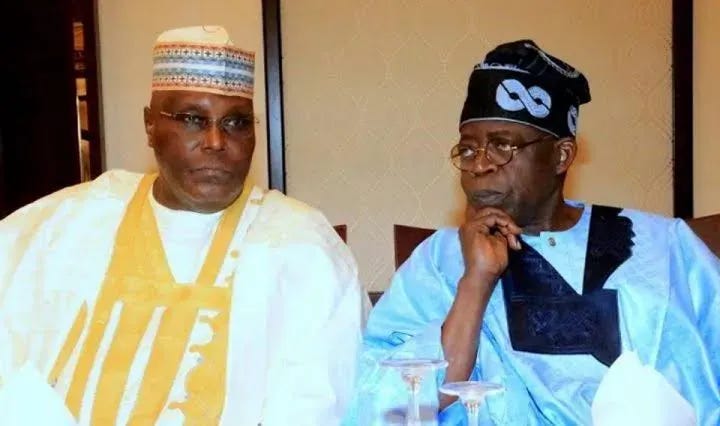
President Bola Tinubu and former Vice President Atiku Abubakar engaged in a political back-and-forth over energy policy, with the Presidency describing calls to restore petroleum subsidies as a lack of economic understanding while Atiku proposed a targeted domestic refinery subsidy model. The exchange highlights the deepening divide over Nigeria’s energy future as the 2027 elections approach.
The Presidency dismissed calls to restore subsidies as economically illiterate, arguing that the removal of subsidies was necessary to stabilise the economy. Atiku, however, argued that a targeted subsidy for domestic refineries would support local production and reduce the cost of fuel for Nigerians. The debate reflects the broader tension between the government’s reform agenda and the opposition’s calls for relief from the cost-of-living crisis.
This echoes the 2023 subsidy removal debate, which also saw the government and opposition clash over the economic impact of the policy. The mechanism then was different, but the result was the same: a polarised debate over the direction of energy policy.
The winners: the government, if its reforms are seen as successful; and the opposition, if it can convince voters that the reforms have failed. The losers: the Nigerian public, who are caught in the middle of a political debate with real consequences for their daily lives.
Bottom Line: Tinubu and Atiku are at odds over energy policy. The subsidy debate is back. The question is whether the government’s reforms will survive the political pressure or be reversed.