


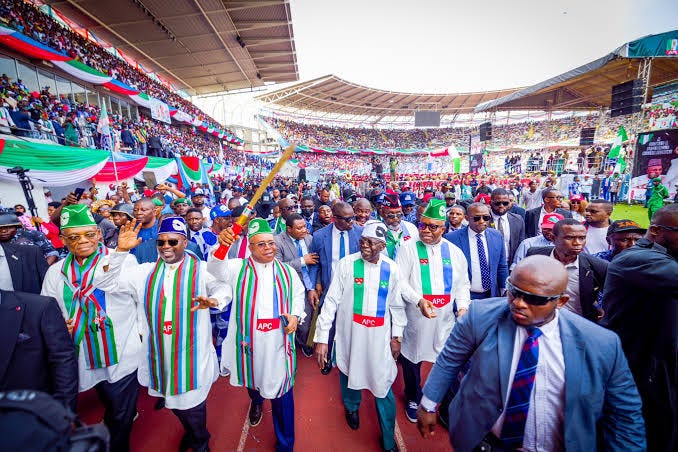
President Bola Tinubu approved the establishment of the Ibom Deep Seaport on Friday, 6 November, during a state visit to Akwa Ibom State. He announced the approval at the Godswill Akpabio International Stadium in Uyo, responding directly to a request from Governor Umo Eno at an APC presidential rally.
Tinubu also approved international status for Victor Attah International Airport. He said he did not hesitate when the governor requested the upgrade, and he applied the same logic to the seaport. “As you do for one, you do for the other,” he said.
The approval was verbal and delivered at a political rally. No implementation timeline, financing structure or regulatory instrument was disclosed. The Ibom Deep Seaport has been proposed for over a decade. It has appeared in successive national development plans without reaching financial close.
This mirrors the pattern of Nigerian port projects that are announced, celebrated and then stalled. The Lekki Deep Seaport was conceived in 2007 and began commercial operations in 2023, sixteen years later. The Badagry Deep Seaport has been announced multiple times without construction. The Onne and Calabar ports took years to reach operational capacity after approval. A presidential “yes” at a stadium is the beginning of a process, not the end of one.
The strategic case for Ibom is real. Nigeria’s existing ports are concentrated in Lagos and the Niger Delta. A deep seaport in Akwa Ibom would serve the South-South and South-East, reduce congestion at Apapa and Tin-Can, and provide an alternative gateway for imports and exports. The state government has identified the project as a legacy infrastructure investment.
The human stakes are about jobs and regional development. A deep seaport creates construction employment, logistics jobs and ancillary services. It also requires road and rail connections that do not yet exist at the required standard. Without those links, the port will handle less cargo than projected.
Winners and Losers
Winners: Governor Umo Eno, who secured a major approval at a political rally in his state. The APC, which gains a development narrative ahead of the 2027 election. Akwa Ibom residents, who may benefit from construction and logistics jobs if the project proceeds. Tinubu, who demonstrates responsiveness to a state request.
Losers: Lagos ports, which face competition for cargo if Ibom becomes operational. Taxpayers, who may fund the project if private investors do not materialise. Contractors and consultants who have waited years for the project, who now face another approval cycle without a construction start date.
Bottom Line: An approval is not a port. The Ibom Deep Seaport has cleared a political hurdle. It has not cleared financing, procurement or construction. The test is whether the next announcement is about ground-breaking or another feasibility study