


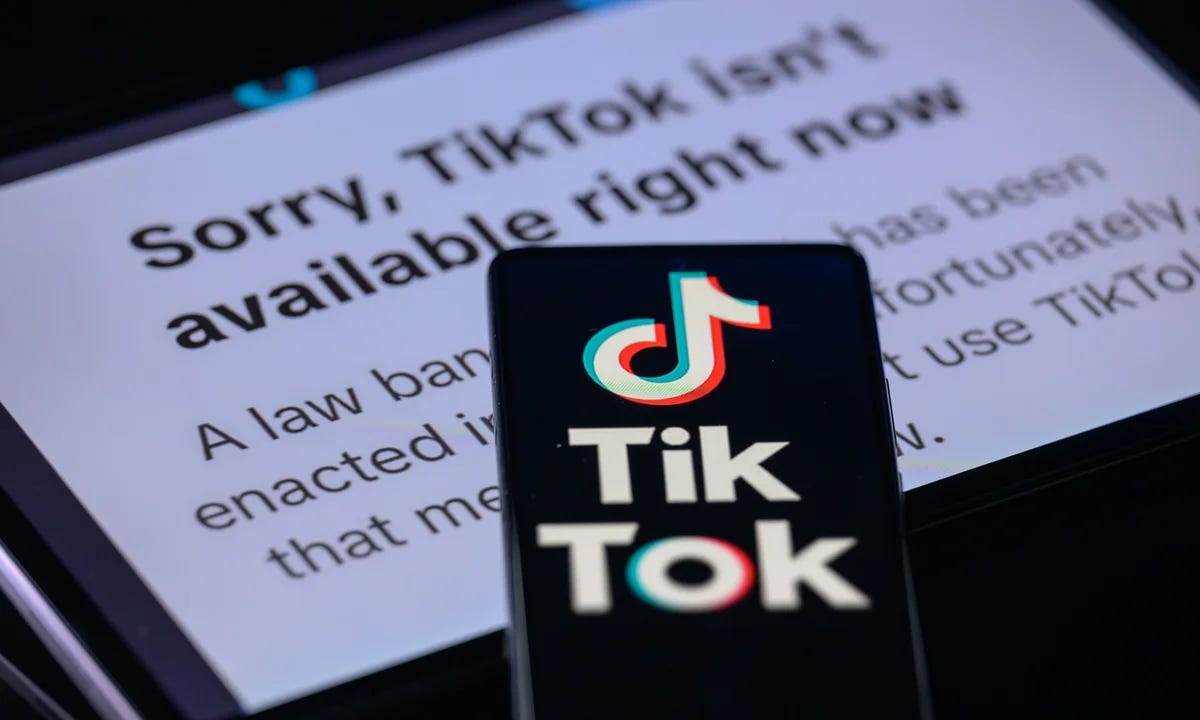
TikTok has denied restricting access to its platform in Northern Nigeria. The company’s Head of Communications for Sub-Saharan Africa, Keagile Makgoba, said this on Monday. She said the platform was engaging stakeholders to resolve reported access difficulties. “We can confirm that this restriction was not implemented by TikTok,” she said. She said the company remained committed to ensuring access for its communities.
Nigeria has restricted social media before. In 2021, the government suspended Twitter for seven months. In 2023, the NCC warned platforms over content moderation. In 2024, TikTok faced scrutiny over election-related misinformation. Young Nigerians use the platform widely. It is a major source of news, entertainment and commerce. Any disruption affects millions. The current incident began on 14 September. Users in Kaduna, Kebbi, Kano, and Sokoto reported difficulty loading videos, viewing content, and uploading materials.
A coalition of civil society organisations called for an independent investigation. The organisations said the disruption has lasted weeks. They urged authorities and telecom operators to investigate. They demanded public clarification on whether a directive or technical issue was responsible. TikTok said it was not responsible. The company did not explain the cause. The Nigerian Communications Commission has not commented. The telecommunications operators have not issued statements.
The timing is sensitive. The 2027 election is approaching. Northern Nigeria is a key battleground. Social media is a primary news source for 52.1% of Nigerians, according to SBM Intelligence. WhatsApp dominates, but TikTok reaches young voters. Restricting access during a political cycle raises questions. The government has not confirmed any directive. The CSOs want answers. The users want their platform back.
Winners: TikTok, which denies responsibility. CSOs, which gain a platform. Competing platforms, which may gain users. Losers: Northern users, who lose access. Content creators, who lose income. Businesses, which lose customers. The government, if it is responsible and denies it. Telecom operators, if they are responsible and silent.
Bottom Line: TikTok says it did not block access. Someone did. Users in four states have been offline for weeks. The CSOs want an investigation. The government should provide one. If a directive was issued, it should be published. If a technical fault caused it, it should be fixed. Silence is not an answer.