


Police have confirmed that 30 people were killed in a reprisal attack in Wawa, Borgu Local Government Area of Niger State, following earlier attacks in Lumma Ba’are and Wawa communities. Force Public Relations Officer CSP Ani Iniedu said six people were killed and several houses burnt in Lumma Ba’are on 21 November, before a suspected reprisal attack claimed 30 lives in Wawa later that day. He said the figure was lower than the 64 deaths reported in the media .
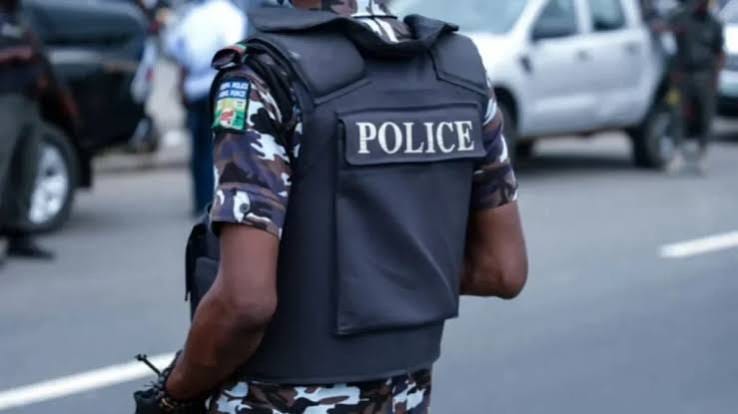
The mechanics of the discrepancy matter. A reprisal attack in a rural local government is exactly the kind of event where initial counts are unreliable and official figures are political. The police say 30. Media reports say 64. The gap is not a rounding error. It is the difference between a serious incident and a massacre, and the official number will shape how the deployment is described and how the victims are compensated.
Deputy Inspector-General of Police Umar Shehu Nadada visited the affected communities on Tuesday to assess the situation and engage local stakeholders. The police said additional tactical personnel would be deployed to reinforce security and prevent further violence .
This echoes the long pattern of farmer-herder and communal violence in Niger State, where reprisal attacks follow initial killings and the state arrives after the bodies are counted. It also mirrors the broader problem of security agencies disputing casualty figures in the absence of an independent count.
The winners are the police, who can report a lower figure and a deployment, and the local officials who will control the narrative. The losers are the 30 or 64 dead, depending on whose count prevails, and the communities that will wait for a reinforcement that arrives after the funerals.
Bottom Line: A reprisal attack is a failure of protection. A dispute over the body count is a failure of accounting.