


Nigeria’s electricity infrastructure has come under another suspected terrorist attack after explosives damaged two high-voltage transmission poles linking the Kainji Dam power plant to Jebba in Niger State.
The explosions occurred at about 2 pm on Tuesday, November 17, between Kanti community in Mashegu Local Government Area and Kanya community in Mokwa Local Government Area.
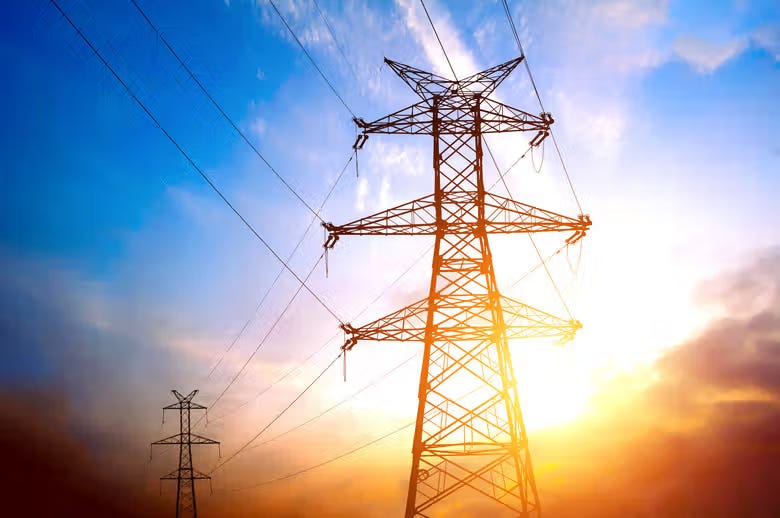
Security sources attributed the attack to suspected Boko Haram members. The incident reportedly triggered panic among residents of nearby communities, particularly over fears that the attackers could be targeting critical infrastructure connected to the Kainji hydroelectric power station.
No deaths were reported.
The alleged motive was to destroy the transmission infrastructure and potentially target the Kainji Dam power facility. However, the available reports have not established the full extent of the damage or whether electricity transmission was disrupted.
Security monitoring has reportedly continued in the affected area to track developments and prevent further attacks.
The incident adds to a growing list of attacks and vandalism targeting Nigeria’s electricity transmission network. It also raises a difficult question: how secure are the facilities responsible for moving electricity from generating stations to homes and businesses?
On November 17, the House of Representatives resolved to investigate the destruction of 10 transmission towers within five months across three northern states.
The affected infrastructure included transmission lines linking Kano to Bauchi, Katsina and Kaduna. Lawmakers directed the relevant committees to investigate the incidents, assess financial losses and examine measures to prevent further destruction.
The investigation is expected to involve the Transmission Company of Nigeria (TCN), the Niger Delta Power Holding Company and relevant security agencies.
Other incidents show that the problem extends beyond Niger State.
On May 7, armed men invaded TCN’s 132-kilovolt transmission substation in Offa, Kwara State. They reportedly held electricity workers hostage at gunpoint and ordered operators to shut down the Offa and Ojoku electricity feeders.
The attackers also tampered with control switches and relay buttons, causing a 40-megavolt-ampere transformer to shut down. TCN subsequently restored the transformer and affected feeders.
In July, the company reported that six transmission towers along the Yola-Jalingo 330-kilovolt line had been vandalised. About 130 structural components were removed, while a suspect was later arrested following a joint operation involving the police.
Four other towers along the Afam-IPP-Elelenwo transmission line in Rivers State were vandalised in August. TCN described the incident as the fifth involving the removal of components from the same line in recent times.
These incidents expose two related threats to Nigeria’s power sector: deliberate attacks by armed groups and the persistent theft of critical infrastructure components.
The consequences go beyond damaged poles and repair bills. Transmission lines connect generating stations to the national grid. Damage to strategic sections can restrict the evacuation of electricity, disrupt supply and increase pressure on an already fragile power system.
The Kainji-Jebba incident is particularly concerning because it involves infrastructure linked to a major hydroelectric power facility. Even where the generating plant remains operational, damage to the transmission route can create problems in delivering the electricity it produces.
The immediate losers are electricity consumers and businesses that depend on a stable power supply. TCN also faces additional repair and security costs, while communities around vulnerable infrastructure remain exposed to further attacks.
The security agencies, meanwhile, face pressure to establish who carried out the bombing, determine the extent of the damage and prevent similar incidents. Repairing damaged infrastructure without addressing the security gaps would only leave the network vulnerable to another attack.
Bottom Line: Nigeria cannot secure its electricity supply by investing only in generation. The transmission network must also be protected. Until attacks on power infrastructure carry real consequences for those responsible, the country will continue spending money repairing assets that should never have been destroyed.