


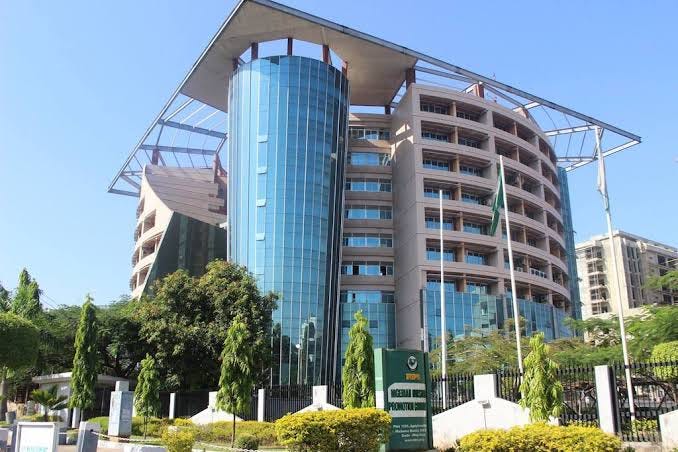
Nigeria’s active telephone subscriptions reached 195.1 million in July 2026, according to data from the Nigerian Communications Commission. The figure reflects the continued expansion of mobile connectivity across the country, driven by data demand and the migration from feature phones to smartphones.
The growth in subscriptions mirrors the trajectory of the past decade, when telecom liberalisation and competition between MTN, Airtel, Glo and 9mobile drove penetration from 100 million in 2015 to nearly 200 million by 2026. The difference now is the composition of that growth. Voice revenue is stagnating. Data is the engine.
Smartphone penetration reached 75 per cent in 2025, up from 64 per cent in 2023. Fintech applications have reached 88 per cent of smartphone users. Banking and fintech apps rank second in popularity behind social media and communication platforms. OPay alone reaches 69 per cent of smartphone users, more than four times the penetration of Access Bank’s app.
The NCC has also rolled out the Zero-Rated Data Access to Approved Educational Platforms and Content Initiative, providing up to 100 megabytes of free daily data to eligible learners. The initiative is designed to reduce data costs for digital learning and supports the government’s broader digital inclusion agenda.
The structural challenge remains infrastructure. Nigeria has far fewer telecommunications masts than comparable markets. Fibre coverage stands at about 35,000 kilometres, against a target of 125,000. The Federal Government’s 90,000-kilometre fibre project aims to close that gap, with physical rollout expected to begin in October 2026. The $2 billion project is financed by sovereign loans from the World Bank, the European Bank for Reconstruction and Development and the African Development Bank, with private capital sought for the balance.
The spectrum question looms over the sector. Mafab Communications is seeking NCC approval to transfer its 5G spectrum assets to MTN Nigeria. The deal would concentrate scarce high-capacity frequencies in the hands of the dominant operator, which already controls 51.8 per cent of active mobile lines. Airtel is a distant second at about 34 per cent.
Winners and Losers
Winners: MTN, Airtel and other operators, which benefit from rising data consumption. Fintech platforms, which gain a larger addressable market with each new smartphone user. Educational platforms approved under the zero-rating scheme, which gain free access to learners.
Losers: Feature phone users, who are increasingly excluded from digital services. Rural communities, which remain underserved by network coverage and device affordability. Smaller operators, which face a widening resource gap as spectrum consolidates in MTN’s hands.
Bottom Line: 195.1 million subscriptions is a milestone. It is not a measure of inclusion. Nigeria has the users. It does not yet have the infrastructure to serve them all equally.