


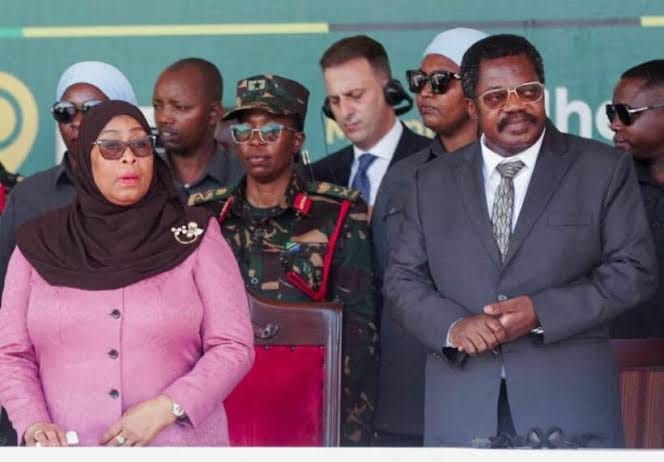
Tanzania’s Vice President Emmanuel John Nchimbi has resigned less than a year after taking office, with President Samia Suluhu Hassan accepting his resignation, the government said on Tuesday. Nchimbi, who became vice president in November 2025, will leave office on September 4. The government did not give a reason for his resignation but said constitutional procedures would begin to appoint his successor.
Nchimbi, a former secretary general of the ruling Chama cha Mapinduzi (CCM), recently attracted criticism from some party members after calling for Tanzanians to support a new constitution. His resignation comes amid political tensions following last year’s presidential election, which Hassan won with nearly 98% of the vote. The election was followed by deadly unrest after the government excluded leading opposition candidates from the contest. A government inquiry said at least 518 people were killed in the violence.
The Nigerian stake is clear. Tanzania’s political instability is a reminder of the fragility of democratic institutions in Africa. The violence that followed the election and the resignation of the vice president are signs of deepening tensions within the ruling party.
From a Nigerian vantage point, the Tanzanian crisis is a warning. Nigeria must ensure that its own political processes remain peaceful and that the rule of law is upheld.
This echoes the 2021 political tensions in Tanzania, which also saw the government crack down on dissent. The mechanism then was different, but the result was the same: a country grappling with political instability.
The winners: President Hassan, who has accepted the resignation and will appoint a successor. The losers: Nchimbi, who has lost his position; and the Tanzanian people, who face continued political uncertainty.
Bottom Line: Tanzania’s vice president has resigned after less than a year. Political tensions are rising. The question is whether the country can maintain stability.