


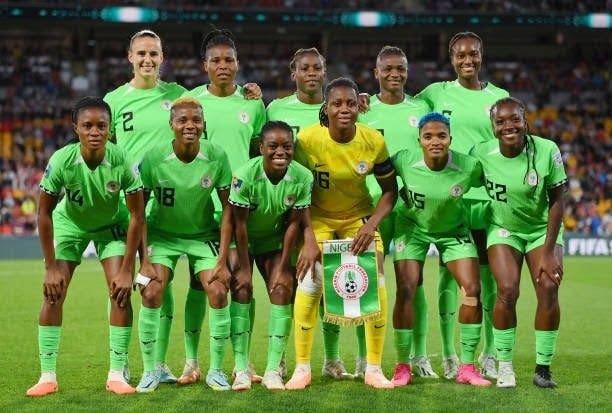
Nigeria will miss out on $2.5 million in FIFA preparation funding. The Super Falcons failed to qualify for the 2027 Women’s World Cup in Brazil. The loss adds a financial consequence to a campaign that ended the country’s record of appearing at every edition since 1991.
The Super Falcons are Africa’s most successful women’s team. They have won the Women’s Africa Cup of Nations a record ten times. They had featured in all nine previous World Cups. In 2026, they entered WAFCON as defending champions. They lost 1-0 to Cameroon in the quarter-finals. That defeat cost them an automatic ticket. They had one more chance through a play-off against South Africa. They lost 2-1. The record ended.
FIFA has confirmed the funding model for Brazil 2027. Each of the 32 participating associations will receive $2.5 million in preparation funding. The total pool is $80 million. FIFA has raised the allocation to match the preparation funding for the 2026 men’s World Cup. FIFA has also committed to providing players at the women’s tournament the same level of services as their male counterparts. The grant is separate from prize money. FIFA has not disclosed the full prize pool. FIFA will discuss further details at its next Council meeting in December 2026.
For the Nigeria Football Federation, the loss is immediate. The preparation grant would have supported the team’s build-up. It would have funded camping, friendlies and logistics. That money is gone. The full value of Nigeria’s missed earnings remains unknown. FIFA has not announced the prize money for Brazil 2027.
The NFF has asked head coach Justine Madugu and his technical crew to step down. It has inaugurated a fact-finding committee to investigate the team’s performance. The committee will also examine wider problems affecting Nigeria’s national teams. The Super Eagles missed the 2026 World Cup. The Falcons will miss the 2027 Women’s World Cup. Both failures carry financial costs.
Winners: FIFA, which saves $2.5 million. South Africa and Cameroon, which qualified. Other African teams, which gain slots. The Brazilian tournament, which proceeds without Nigeria. Losers: The NFF, which loses funding. The Super Falcons players, who lose a World Cup. Nigerian football, which loses visibility. The treasury, which loses foreign exchange. Fans, who lose the chance to watch their team on the global stage. The preparation grant, which would have improved the team’s chances next time.
Bottom Line: The Super Falcons’ absence from Brazil 2027 costs more than pride. It costs $2.5 million in preparation funding. It costs Nigeria a place at the world’s biggest women’s football tournament. The NFF must investigate what went wrong. The committee must produce answers. The money is gone. The record is broken. The rebuild must start now.