


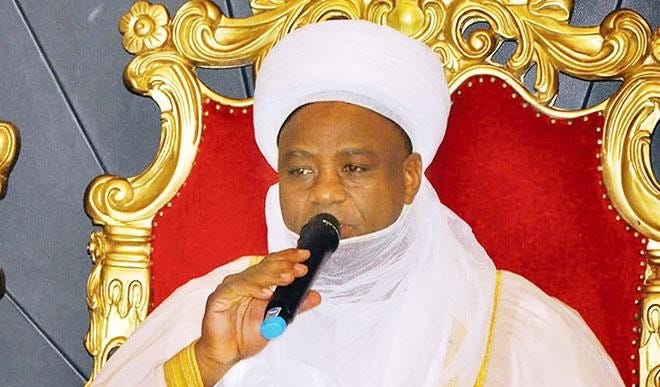
The Sultan of Sokoto, Alhaji Muhammad Sa’ad Abubakar III, has declared Thursday, 16 July 2026, as the first day of Safar 1448AH after the new crescent moon was not sighted across Nigeria. Wednesday, 15 July, completed the 30th day of Muharram, and Thursday marks the beginning of the second month of the Islamic calendar. The declaration provides official calendar guidance for Muslims across Nigeria, shaping everything from religious observances to commercial activity.
The Sultan’s announcement coincides with the Nwafor Ogidi Festival 2026, which begins on Thursday with the Ikpuani Ritual — the initiation into the Masquerade Umbrella and the official opening ceremony. The festival, which celebrates Igbo heritage and unity, brings together sons, daughters and visitors to strengthen cultural ties.
These concurrent cultural markers — one Islamic, one Igbo — are a reminder of Nigeria’s diversity. The Sultan’s declaration is followed by Muslims across the country; the Nwafor Ogidi Festival is celebrated in the southeast. Both are expressions of identity in a country where identity politics often turns violent. The fact that both can occur on the same day in different parts of the country without conflict is worth noting.
But cultural events are never just cultural. They are also political. The Sultan’s authority over the Islamic calendar reinforces his position as a national religious leader. The Nwafor Ogidi Festival reinforces Igbo cultural pride at a time when Southeast political agitation remains unresolved. These are not separate spheres; they are connected threads in the same fabric of Nigerian life. The vibes matter because the votes matter. And in 2026, as the country prepares for the next election cycle, cultural identity will shape political choices as much as economic policy.
Winners: The Sultan of Sokoto, Igbo cultural organisations, Nigerians who participate in these traditions.
Losers: Those who see cultural diversity as a threat rather than an asset.
Bottom Line: The Sultan’s declaration and the Nwafor Ogidi Festival are reminders that Nigeria’s cultural calendar is as diverse as its population — and that diversity, managed well, is a strength.