


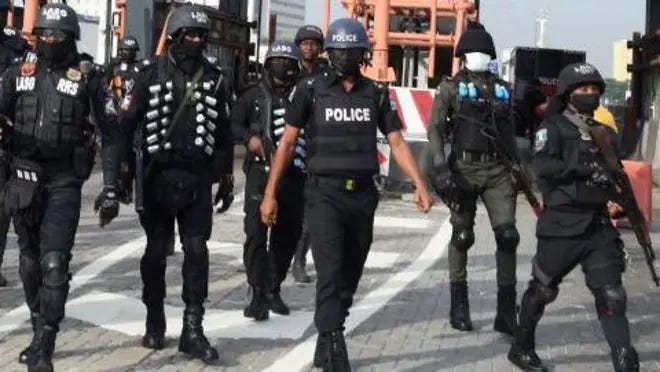
The state police amendment is moving. On 16 October, the National Assembly’s 30-day target lapsed. Only five state assemblies had approved. Then twelve voted in two days. Ogun, Delta, Plateau, Kwara, Adamawa, Nasarawa, Cross River, Enugu, Taraba, Benue, Anambra and Ekiti joined Osun, Edo, Rivers, Oyo and Zamfara. That is 17 of 36. Section 9(2) requires 24. Seven more are needed. No assembly has rejected the bill.
State police has been debated for decades. The 1999 Constitution puts policing under federal control. In 2014, the National Conference recommended decentralisation. In 2018, the APC restructuring panel endorsed it. In 2023, the National Assembly rejected a similar amendment. The current bill replaces the single Nigeria Police Force with federal and state services. It has momentum because governors across parties want it.
Not every yes is a clean yes. Adamawa approved 24 of the bill’s 26 clauses and rejected two. Ekiti approved it “subject to” an amendment to the proposed Section 317A(5). Under Section 9(2), assemblies can only approve or reject the text they receive. They cannot amend it. How the National Assembly counts those two votes is worth watching. If they are treated as approvals, the count stands. If not, the threshold moves.
Funding reached the floor in Benue. Two members asked how state police would be paid for when existing agencies lack equipment and money. The bill leaves financing to later federal law. Benue still voted yes. The question will return when the National Policing Bill arrives. It is the central risk. State police without funding is a duplication of weakness.
The details are still being written. The Presidential Working Group sent the draft National Policing Bill and 29 related bills to the Ministry of Justice on 19 October. The ministry is due to return them by 30 October. Then the group will present them to President Tinubu. The Senate says it will wait for the executive’s formal transmission but aims to pass the legislation before year-end.
Eighteen assemblies have yet to vote. They include Lagos, Kano, Kaduna and Bauchi. Those four are politically significant. Lagos is the APC’s base. Kano is the opposition’s stronghold. Kaduna is a battleground. Bauchi is a northern state with security challenges. Their votes will shape the final tally.
Winners: State governors, who gain security powers. The Presidential Working Group, which advances the reform. The National Assembly, which gains a legacy issue. Communities, if local policing improves. Losers: The federal police, which loses monopoly. Civil society, if safeguards are weak. Opposition parties in states, if governors weaponise state police. Taxpayers, if the new services duplicate costs. Assemblies that vote late, which face pressure.
Bottom Line: Seventeen approvals. Seven more needed. No rejections. Two conditional votes. Funding unresolved. Eighteen assemblies to go. The bill is moving. The safeguards are not yet clear. That is the risk. The next two weeks will decide whether Nigeria gets state police by 2027 or another stalled amendment.