


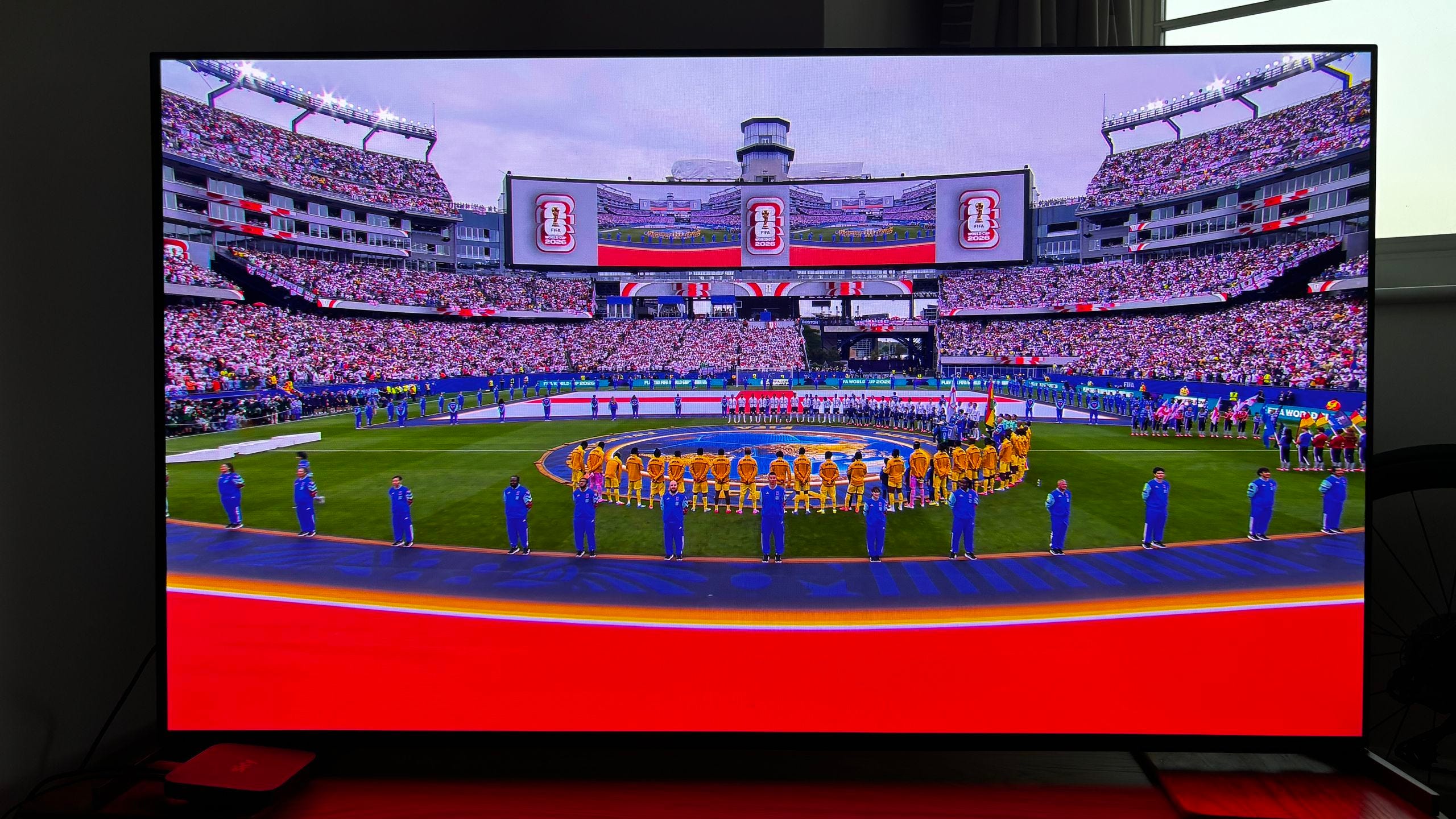
SportyTV says it is on course to surpass one billion views across its YouTube channel and social media platforms before the end of the 2026 FIFA World Cup, highlighting the growing role of digital platforms in sports broadcasting across Africa. The broadcaster secured rights to broadcast the tournament across Nigeria, Ghana, Kenya and South Africa, allowing viewers in Nigeria, Ghana and Kenya to watch 34 matches free of charge.
The company said it has recorded more than 920 million views across YouTube and its social media channels ahead of the tournament’s final, putting it on track to exceed one billion views. Its YouTube channel alone has generated more than 70 million views, 18 million watch hours and over 10 million unique viewers during the competition. The World Cup clash between England and Argentina has emerged as its most-watched match, attracting nearly two million views from Nigeria alone.
Beyond YouTube, SportyTV said its World Cup-related content has generated more than 320 million views and 17 million likes on TikTok, alongside about 400,000 new followers. Facebook also recorded over 320 million views and nine million interactions, while Instagram contributed nearly 175 million views. The broadcaster’s mobile application has surpassed 10 million downloads, with more than 15 per cent of those downloads occurring during the World Cup.
“Our goal wasn’t simply to broadcast matches, but to create an experience that allowed people to watch, engage, and stay connected to the tournament wherever they were,” said Elias Gallego, Vice President of Business Development, Marketing and Media at Sporty Group.
The surge in digital viewership reflects a broader shift in how Africans consume sports content. Traditional television broadcasting is being complemented, and in some cases replaced, by digital platforms that offer greater flexibility and interactivity. SportyTV’s success is a sign that digital broadcasting is no longer a niche alternative but a mainstream option.
This echoes the 2020s rise of digital streaming platforms, which have transformed how Nigerians consume entertainment. The mechanism then was different, but the result was the same: a shift from traditional media to digital platforms.
The winners: SportyTV, which has built a massive audience; football fans, who have accessed World Cup matches for free; and digital broadcasting, which has proven its viability. The losers: traditional broadcasters, who face increased competition; and the Nigerian government, which has not fully embraced the digital shift.
Bottom Line: SportyTV is approaching one billion views during the World Cup. Digital broadcasting is winning. The question is whether the traditional broadcasters will adapt or be left behind.