


The House of Representatives has passed the Nigerian Council for Social Work (Amendment) Bill, HB. 2510, through its second reading. The bill seeks to amend the 2022 establishment act, introducing adjustments to streamline the council’s administrative and regulatory operations. It claims to strengthen professional standards across child protection, women’s safety and welfare coordination. The sponsor, Hon. Blessing Onuh, won overwhelming support in the plenary vote. Deputy Speaker Benjamin Kalu referred the bill to the Committee on Women Affairs for further scrutiny.
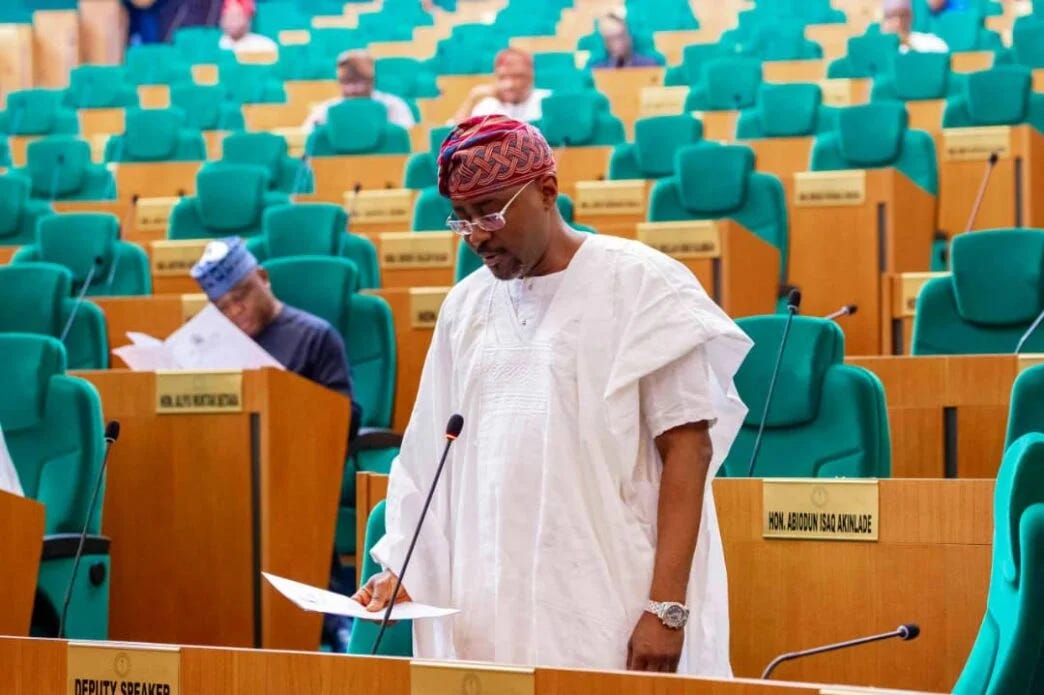
The mechanics matter more than the vote. Social work in Nigeria sits in a crowded institutional field. Federal agencies, state ministries, local government desks, NGOs and traditional authorities all claim a piece of the welfare mandate, and none of them answer to a single gatekeeper. The 2022 act created a council. This amendment is an admission that the council has not functioned as intended. A second reading is a procedural step. It is not an enforcement regime.
This echoes the long line of Nigerian professional councils that exist on paper and struggle in practice, from the teachers’ registration body to the various health profession boards. Each was created to set standards. Each has been constrained by funding, political interference and a licensing culture that treats certification as a revenue line rather than a quality filter.
The winners are professional social workers who want a credential worth holding, and the children and women whose protection depends on competent practitioners. The losers are the unregulated operators who profit from a sector where credentials are optional, and the council staff who will inherit new reporting duties without new resources.
Bottom Line: A second reading regulates the paperwork. The child on the street is still waiting for the practitioner.