


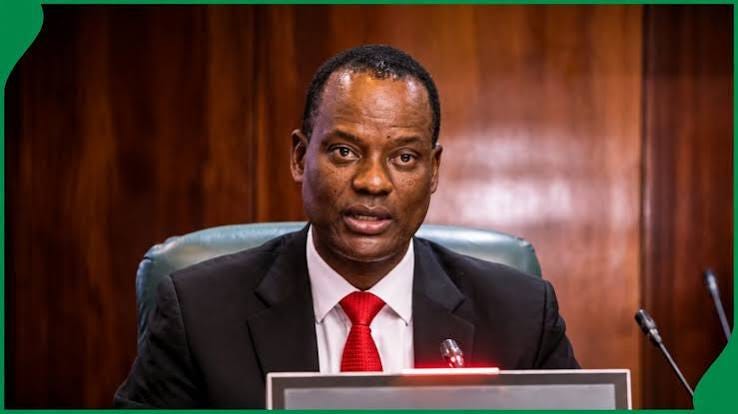
The Minister of Industry, Trade and Investment, Jumoke Oduwole, has restated the federal government’s commitment to achieving 6% annual GDP growth, single-digit inflation below 8%, and $15 billion in annual non-oil exports through sustained economic reforms. She spoke at a forum in Abuja during the week. The targets are now the government’s standing economic promise.
The mechanics of hitting all three at once deserve scrutiny. Six percent growth requires investment, and investment requires a cost of capital below the current yield on government securities. Inflation under 8% requires either a stable exchange rate or a compression of demand, and neither is currently in place. Fifteen billion dollars in non-oil exports would be roughly triple the current earnings from that basket, which requires a port system, a certification regime and a trade finance market that Nigeria is still building.
This echoes the Economic Recovery and Growth Plan of 2017, which also promised 7% growth and a diversified export base, and the Vision 2020 document before it. It also mirrors the longer pattern of Nigerian economic targets being announced as aspirations rather than modelled forecasts.
The winners are the ministry, which gets a clear public mandate, and the exporters who will use the targets to lobby for trade finance. The losers are the citizens who will hold the government to numbers it may not reach, and the statisticians at the National Bureau of Statistics, who will be asked to explain the gap.
Bottom Line: Three targets, one constraint. Without cheaper capital, the growth number is a slogan.