


The Political Intelligence Group (PIG) of Politico.ng has invited six presidential candidates to a three-hour debate on 10 January 2027 at the Transcorp Hilton in Abuja. The candidates are President Bola Tinubu of the All Progressives Congress (APC), Atiku Abubakar of the African Democratic Congress (ADC), Peter Obi of the Nigeria Democratic Congress (NDC), Seyi Makinde of the Allied Peoples Movement (APM), Donald Duke of the Peoples Redemption Party (PRP), and Adewole Adebayo of the Social Democratic Party (SDP). The convener, Lai Omotola, said the format would give each candidate five minutes to answer questions and two minutes for rebuttals, across five segments with standing, seated and virtual audience interactions.
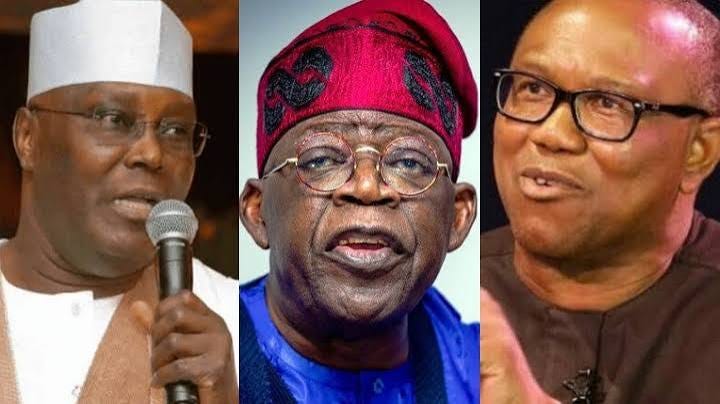
The mechanics of a presidential debate in Nigeria are shaped by a thin history. Omotola noted that only eight presidential debates have been held since the first in 1993, between MKO Abiola and Bashir Tofa. That is fewer than one per election cycle, and none has been decisive. The debate is an invitation, not a commitment. A candidate who declines loses a platform, but a candidate who attends risks a gaffe that travels faster than any policy paper.
This echoes the 2019 and 2023 cycles, when debates were held but attendance was selective, and the frontrunners sometimes stayed away. It also mirrors the longer pattern of Nigerian political campaigns being fought through rallies and adverts rather than structured argument.
The winners are the smaller-party candidates like Duke, Makinde and Adebayo, who get a national stage they could not buy, and the organisers, who can claim a contribution to issue-based campaigning. The losers are the frontrunners if they decline and cede the stage, and the voters if the debate becomes a rehearsed performance rather than a test.
Bottom Line: A debate invitation is a start. A debate with all six candidates on the stage is the test.