


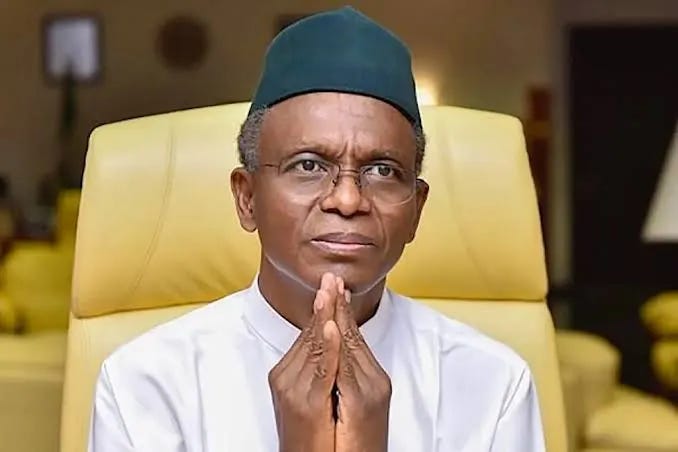
The Supreme Council for Shari’ah in Nigeria (SCSN) has raised fresh concerns over the continued detention of Former Kaduna State Governor, Malam Nasir El-Rufai. The former governor is standing trial before the Independent Corrupt Practices and Other Related Offences Commission (ICPC) on a nine-count amended charge bordering on alleged abuse of office, fraud, irregular award and execution of public contracts, money laundering, conferring undue advantage and unlawful handling of public funds during his tenure as Kaduna State governor. He is also facing a five-count amended charge instituted by the Department of State Services (DSS) over allegations of unlawfully taping of telephone conversations linked to the National Security Adviser, Nuhu Ribadu.
The SCSN, in a statement signed by its Secretary General, Nafiu Baba Ahmad, said El-Rufai, like every other Nigerian, is entitled to his fundamental rights and presumed innocent until proven guilty by court. The Council said strict adherence to the rule of law is sacrosanct and must apply to all citizens of the country, irrespective of their status, warning that circumstances surrounding El-Rufai’s case raised questions about compliance with established legal procedures.
“While declaring that it does not condone any form of criminality by anyone, the Council warned that arbitrary and politically motivated actions could weaken public confidence in state institutions. It urged relevant authorities to ensure due process in pursuing the case, act within the remit of the law and avoid actions capable of being perceived as politically motivated persecution.
The winners: Nasir El-Rufai, who has received public support; and the Nigerian public, who are reminded of the importance of due process. The losers: the ICPC and DSS, which face questions about their conduct; and the Nigerian government, which faces criticism over the handling of the case.
Bottom Line: The Shariah Council has raised concerns over El-Rufai’s detention. The rule of law is being questioned. The question is whether the courts will uphold due process or the case will be seen as politically motivated.