


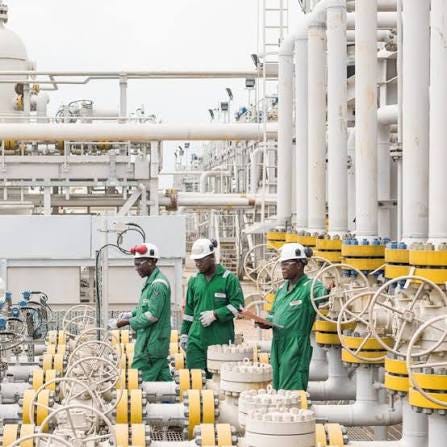
Listed Nigerian energy companies recorded a combined ₦2.57 trillion in revenue for H1 2026, driven by strong oil and gas output and favourable global prices. Seplat Energy led the pack with a 30 per cent revenue surge to $1.82 billion, up from $1.40 billion in the same period last year. At an exchange rate of ₦1,371 per dollar, Seplat’s revenue translates to approximately ₦2.50 trillion.
Seplat’s impressive performance was underpinned by average production of 139,509 barrels of oil equivalent per day (boepd), within its 2026 guidance of 135–155 kboepd. The company’s profit before tax rose 74% to ₦790.4 billion. The strong results reflect the resilience of Nigeria’s energy sector despite macroeconomic headwinds. The performance also underscores the benefits of the government’s reforms, including exchange rate unification and improved security in the Niger Delta, which have boosted production and investor confidence.
The winners: Seplat Energy and other listed energy firms, which have delivered strong returns for shareholders; and the Nigerian economy, which benefits from increased oil and gas revenues. The losers: the Nigerian public, who have yet to see the oil boom's benefits translate into improved living standards; and the government, which must ensure the revenues are used wisely.
Bottom Line: Energy firms are posting record revenues. The sector is thriving. The question is whether the wealth will trickle down to ordinary Nigerians.