


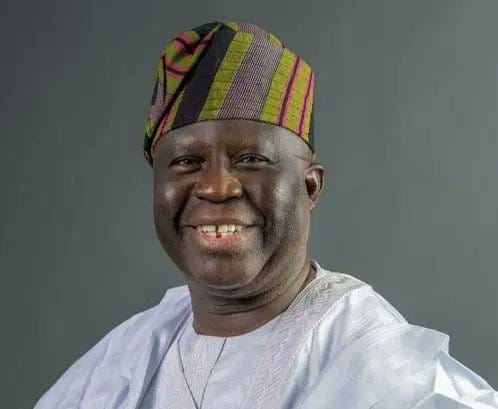
The Senate confirmed Professor Abayomi Sunday Fasina as a non-career ambassador on Thursday, brushing aside opposition from some lawmakers and civil society organisations. The confirmation followed the adoption of the Senate Committee on Foreign Affairs report, presented by Vice Chairman Simon Lalong. But the chamber was divided, with some senators expressing reservations while Senate President Godswill Akpabio and Senator Abdul Ningi supported the nomination.
The controversy centres on allegations of sexual harassment, human rights violations and victimisation, which protesters say are the subject of pending court cases. A coalition of civil society organisations had stormed the National Assembly on 7 July, urging the Senate to defer confirmation. Legal practitioner Adeyemo Amira, speaking for the coalition, said the nominee had cases pending before the National Industrial Court in Lagos and Abuja. The committee, however, maintained that the allegations had been investigated by the Federal University Oye-Ekiti Governing Council and the Nigeria Police Force, both of which found the allegations false.
This is not the first time the National Assembly has confirmed a controversial nominee while allegations remain unresolved. The pattern recalls the screening of service chiefs under previous administrations, where oversight was performative rather than substantive. Akpabio urged senators to “rely on verified reports rather than unverified claims”. The argument is procedurally correct. But when the verifying authorities are the same institutions that the nominee has been accused of manipulating, the procedure becomes a shield rather than a search for truth.
The confirmation fills a diplomatic post that had remained vacant for months. President Tinubu had forwarded a list of ambassadorial nominees to the Senate, and the urgency of filling these posts is undeniable. But urgency is not an excuse for abdicating oversight. The Senate’s job is to scrutinise, not to rubber-stamp. On Thursday, it chose the latter.
Winners: Professor Fasina, the executive branch, and senators who voted for confirmation.
Losers: Civil society organisations, victims of alleged harassment, the credibility of Senate oversight.
Bottom Line: The Senate confirmed a nominee with unresolved allegations against him — a reminder that in Nigeria’s political economy, connections often trump accountability.