


The Nigerian Senate has issued a 15 November deadline for the remaining six State Houses of Assembly to vote on the State Police Bill. Thirty state assemblies have already approved the legislation. That surpasses the two-thirds constitutional threshold of 24 states required before transmission to President Bola Tinubu for assent.
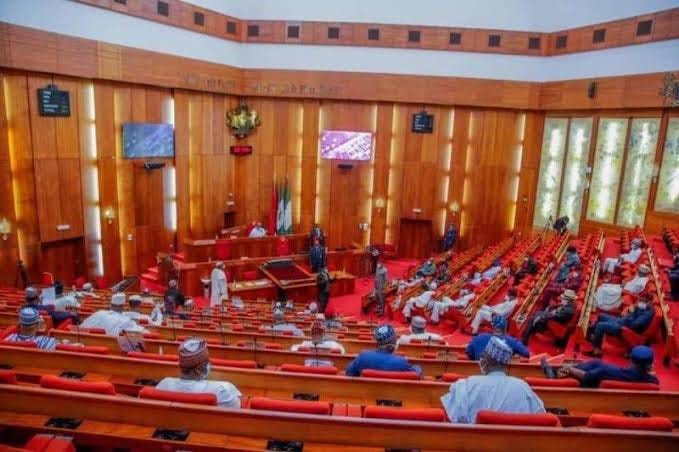
The mechanics matter. A constitutional amendment requires approval from two-thirds of state assemblies. Thirty states have met that bar. The remaining six are procedurally irrelevant to the threshold but politically relevant to legitimacy. A bill supported by 30 states and rejected by six carries a different weight from one supported by all 36.
This mirrors the 2023 attempt to amend the constitution on policing, which stalled in state assemblies. It also echoes the 1979 Constitution, which allowed state police but never implemented it. The difference now is momentum. The National Assembly has prioritised the bill, and most states have voted.
The winners are the Senate, which shows coordination; governors who gain control over state police; and communities that may see faster security responses. The losers are those who fear governors will abuse state police powers; the Nigeria Police Force, which faces competition; and states that will struggle to fund new forces.
Winners: The Senate; governors gaining police control; communities expecting faster responses.
Losers: Critics fearing abuse of power; the Nigeria Police Force; states unable to fund new forces.
Bottom Line: Thirty states have approved state police. The real work starts when governors must fund, train and restrain the forces they now control.