


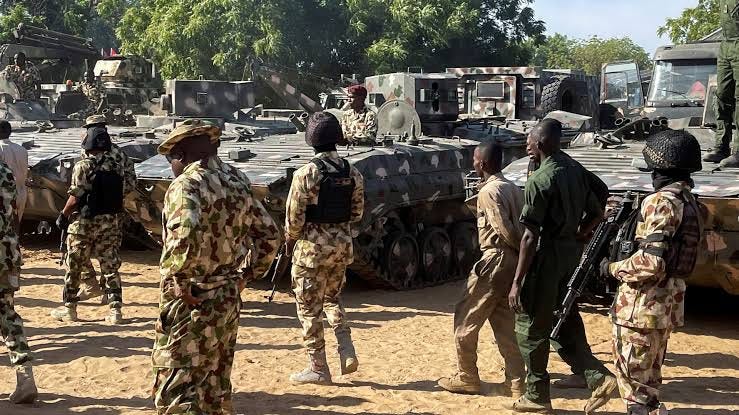
A secret ceasefire between the Nigerian government and a faction of Boko Haram has held for three months, according to an investigation by The New Humanitarian. The truce, linked to the June release of 360 civilians abducted from Ngoshe in Borno State, has stopped attacks in communities around the Mandara Mountains since it took effect. Three sources with contacts among senior Boko Haram members confirmed the arrangement, which is expected to be extended by 40 days.
The deal reportedly included a ₦5 billion ransom payment, equivalent to about $3.7 million at the exchange rate cited. The Federal Government has denied paying any ransom, and the Defence Headquarters declined to comment when approached. When the hostages were freed in June, the military described it as an “intelligence-led rescue operation,” but local and security sources told The New Humanitarian the captives were released through negotiations involving government representatives, intermediaries and the insurgents.
The truce involves the faction led by Ibrahim Bakura Doro, based around the northern section of Lake Chad. It does not include the Islamic State West Africa Province, Boko Haram’s rival, and clashes between the two groups have continued. Conflict researcher Malik Samuel warned the arrangement could be “just a temporary, tactical ceasefire that benefits both sides, but doesn’t really affect the trajectory of the war”.
Two sources cautioned that Boko Haram may be using the pause to strengthen its position, potentially moving equipment into the Mandara mountains. The government has publicly rejected negotiations with Boko Haram, which is legally proscribed as a terrorist organisation. President Bola Tinubu has instead announced plans to recruit 30,000 additional soldiers and create four new army divisions.
The winners: communities around Ngoshe, which have experienced a rare pause in attacks after 17 years of conflict. The losers: the 360 civilians who spent 95 days in captivity, two infants who reportedly died, and the credibility of a government that denies negotiating with a group it publicly refuses to talk to.
Bottom Line: A secret truce has bought quiet in one corner of Borno. It has not bought peace. The question is whether the government is negotiating a settlement or simply buying time.