


Scientists have concluded that the recent devastating floods that displaced thousands across West Africa, including Nigeria, were intensified by global heating. Intense rainfall drenched coastal cities last month, overwhelming drainage systems. Climate models indicate that greenhouse gas emissions have increased the event's intensity by 4%, prompting experts to warn that the region must adapt to extreme weather.
The floods in Nigeria, Ghana and other West African countries displaced thousands of people and caused significant damage to infrastructure and agriculture. The scientists’ findings confirm what many had suspected: climate change is making extreme weather events more frequent and more severe.
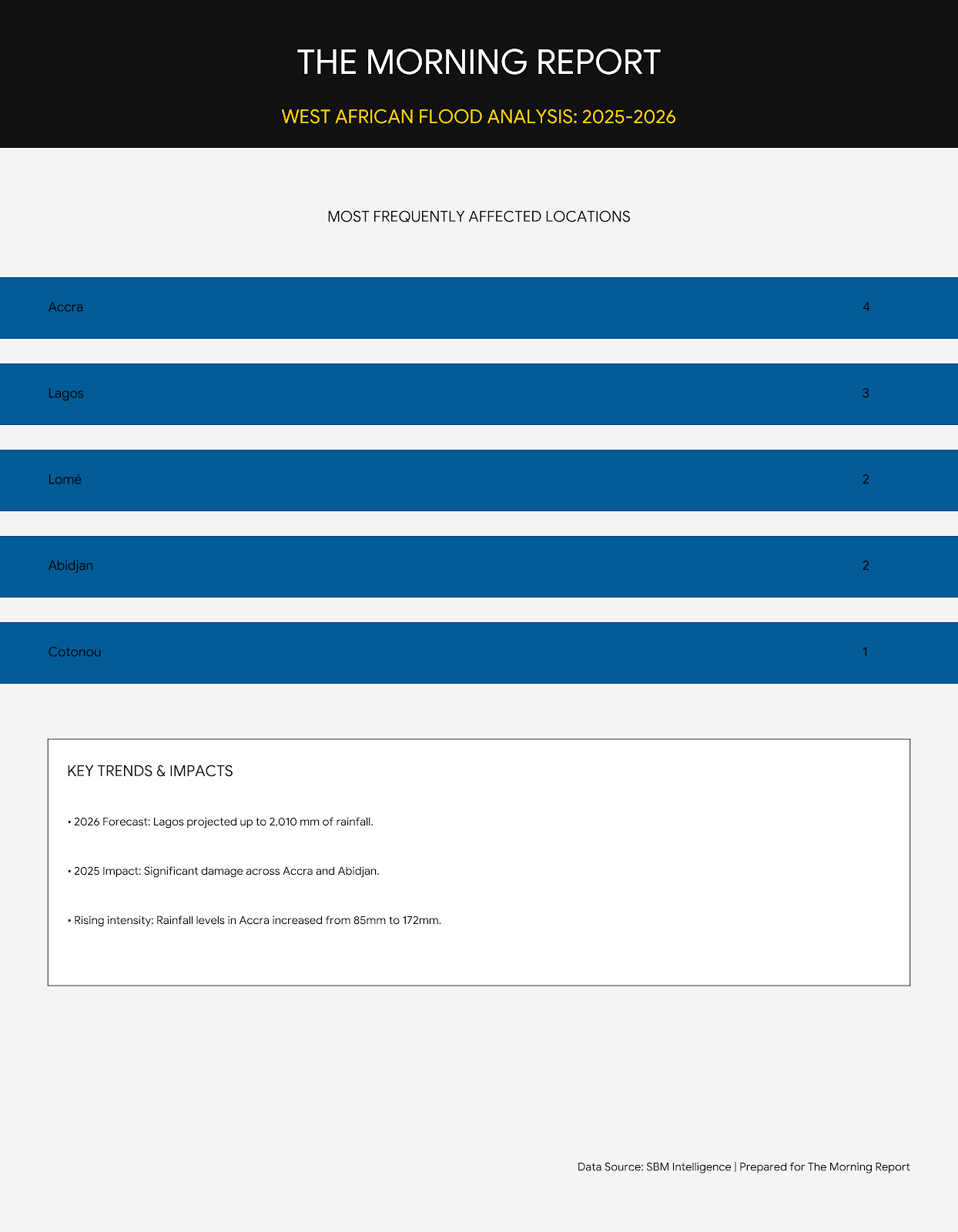
The Nigerian stake is clear. Nigeria is one of the most vulnerable countries to climate change, with flooding, desertification and coastal erosion threatening communities across the country. The floods are a warning of what is to come.
From a Nigerian vantage point, the findings are a reminder that Nigeria must invest in climate adaptation. The government has made some progress, but much more is needed.
This echoes the 2012 floods, which devastated Nigeria and exposed the country’s lack of preparedness for climate-related disasters. The mechanism then was different, but the result was the same: communities left vulnerable and a government response that came too late.
The winners: none. The losers: the communities affected by the floods, and the Nigerian government, which has not done enough to prepare for climate change.
Bottom Line: Global heating made West Africa’s floods worse. Nigeria is feeling the impact. The question is whether the country will adapt or continue to suffer.